Content-Language" content="en-us">
|
section 6: sleeping, washing, dressing: bedrooms 1880s to 1920s (and the nursery) images & photography: Jennifer McKendry © home page GALLERY of IMAGES 1 GALLERY OF IMAGES 2 GALLERY OF IMAGES 3 GALLERY OF IMAGES 4 GALLERY OF IMAGES 5 GALLERY OF IMAGES 7 GALLERY_OF_IMAGES_8 INDEX of GALLERY THE BEDROOM
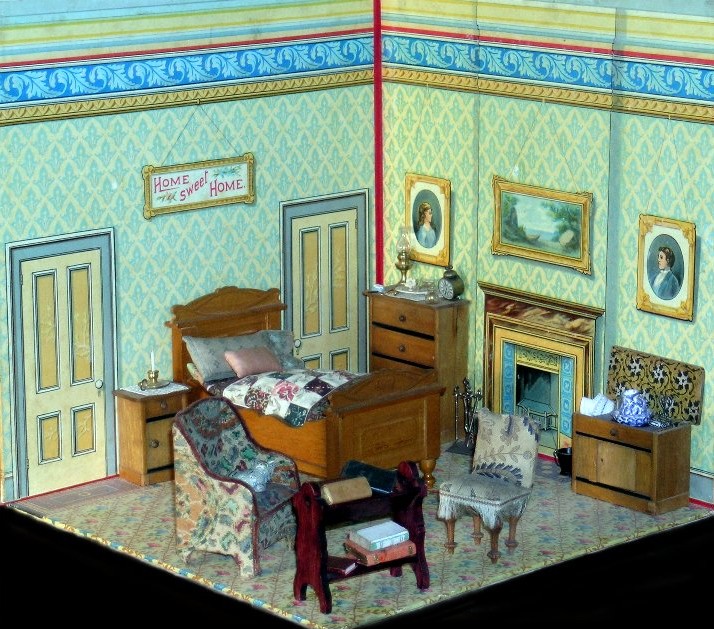
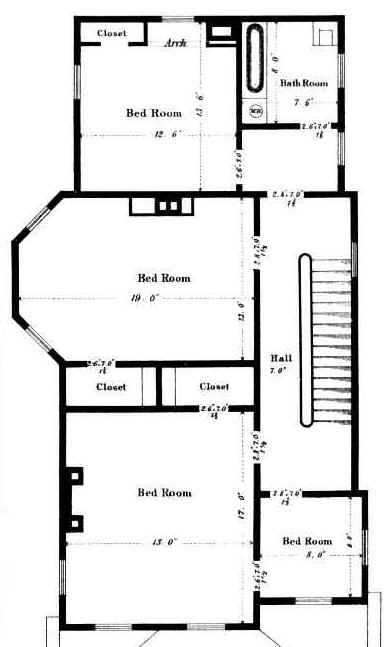
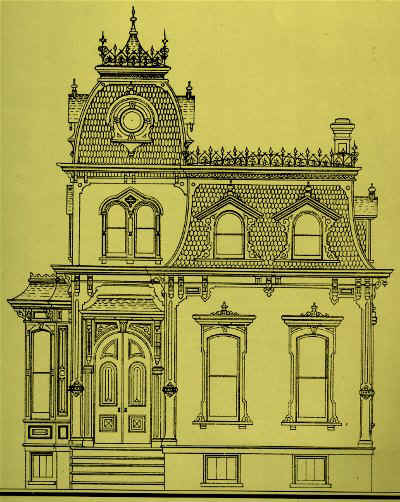
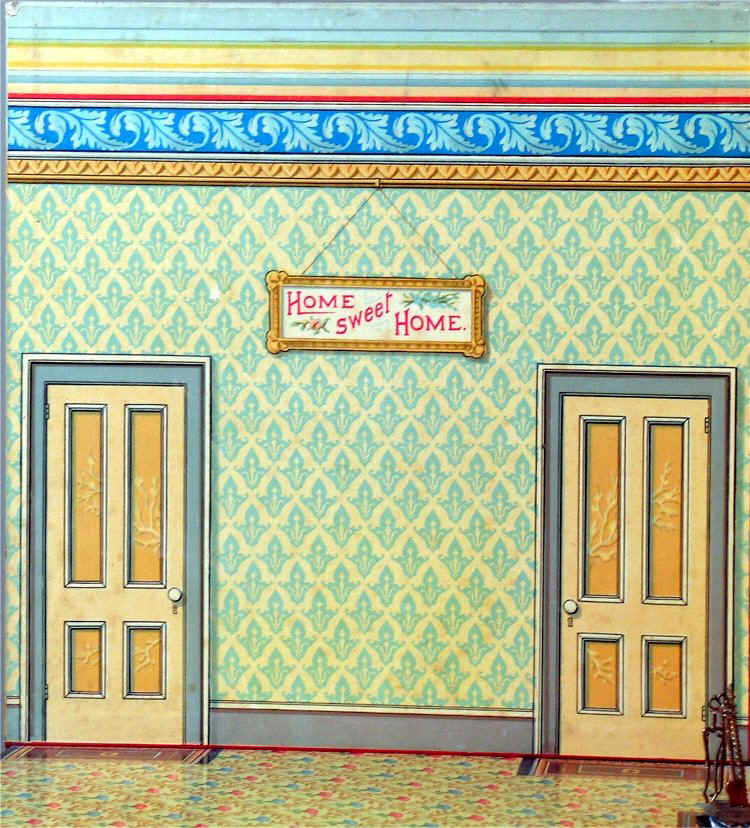
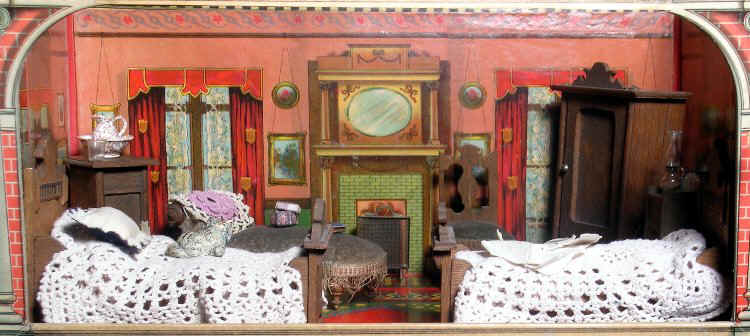
1878 typical, upper middle-class, American houses; bedroom floor level including closets and a bathroom; Bicknell's Village Builder
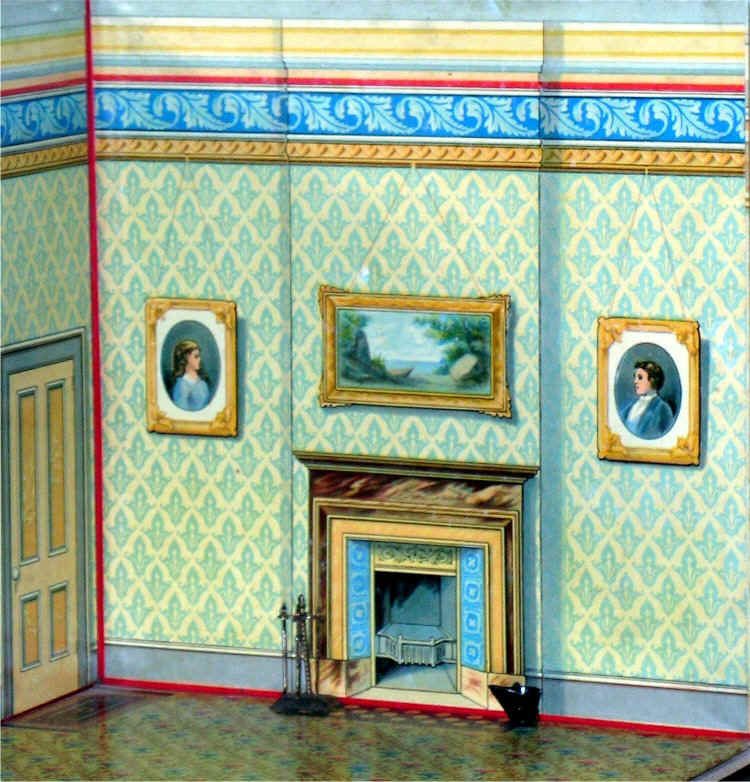
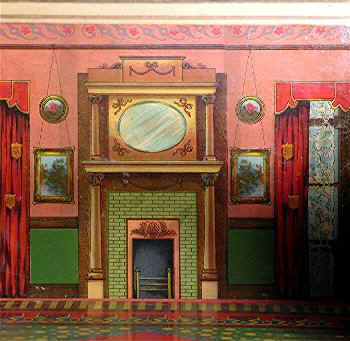
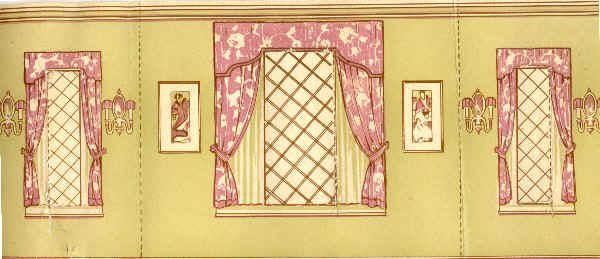
tall ceilings, pronounced cornices, wall papered walls (12 inches high representing 12 feet); coal-burning fireplaces, in this case, with a vivid marble surround and colourful tiles; gilt-framed paintings -- a Romantic landscape flanked by ancestral portraits, emphasizing the importance of the family and the significance of lineage (note: the red tape is part of the rooms' hinging system)
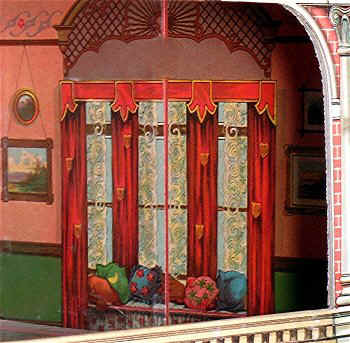
specially painted, panelled doors probably into closets or dressing rooms; branch motifs wander across the upper, as well as the lower panels, as if glimpsed beyond the dividing stiles; a framed motto hangs from a visible cord at the level of the door tops in order to allow room for a tall headboard of a bed or a dressing table or chest of drawers with a mirror
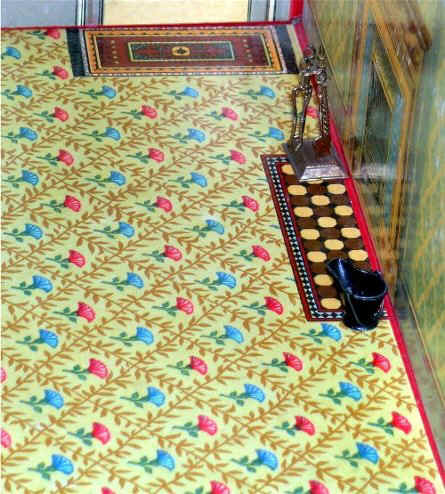
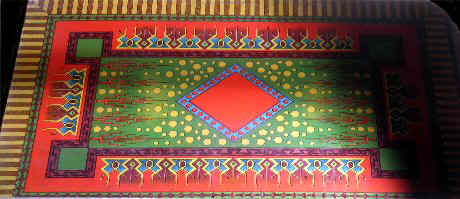
woven carpeting
with individual rose and blue flowers positioned within a diaper pattern
formed by vines; small Oriental rugs are placed in front
c1900
bedroom of McLoughlin's Garden House with a set of
German furniture
Below 1872
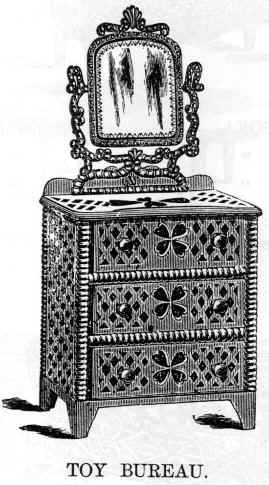
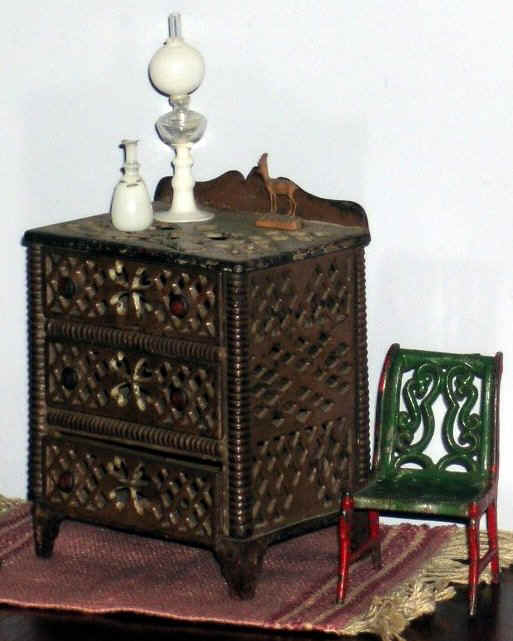
furniture from Stevens & Brown, Cromwell, Conn., USA
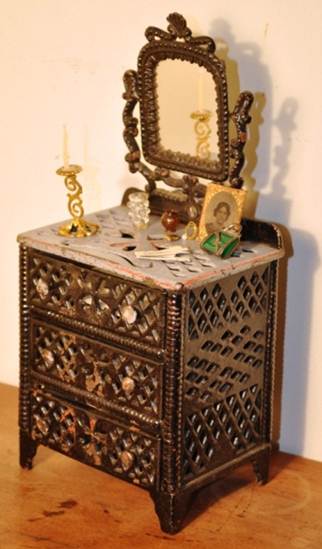
Painted
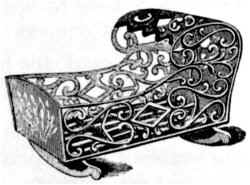
cast-iron bureau (available with or without a mirror and in a variety of
sizes), sidechair and cradle (below); these push the limits of
credulity when one considers the bureau and cradle would have been made
from solid wood in real life, but this is more than made up by the charming
designs. The bureau’s
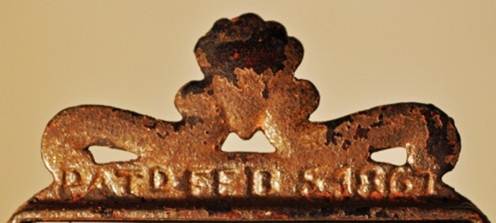
mirror is attached by a screw to the shaped crest of the chest’s back plate,
and is impressed “PATD FEB 8 1867” on the back of the shell and
scroll cresting. If the crest of the back plate has no hole for the screw,
the chest was made without a mirror.
incorporating hearts, lattice-work and scrolls; spooling (Elizabethan
Revival) on the corners, however, was found on real bureaux of the period
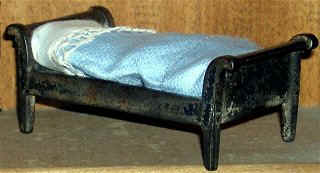
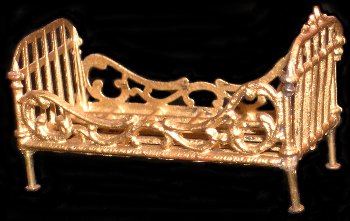
small, painted, cast-iron bed with scrolled ends attributed to Stevens & Brown; Empire style; just over 4½" long
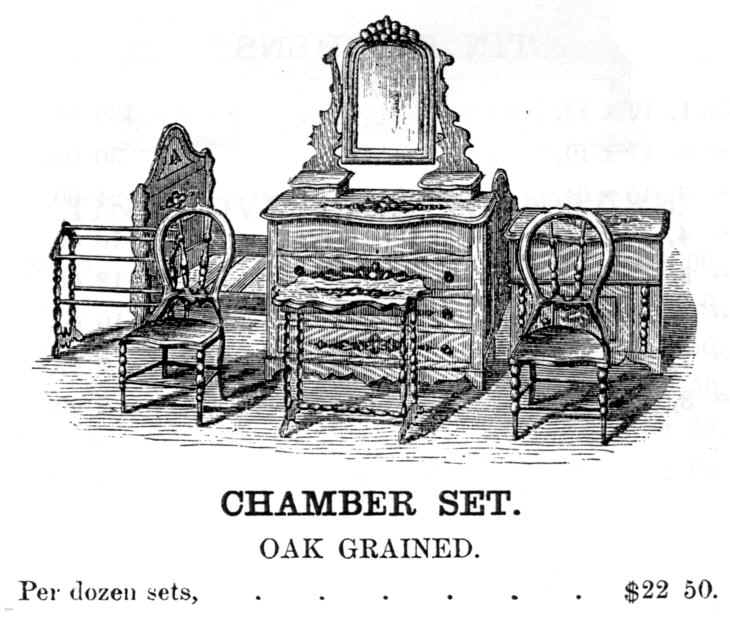
below 1872 tin set of bedroom
furniture by Stevens & Brown; painted in oak grain; displaying the busy
spooled and scrolled forms associated with "Victorian style" or
more specifically a revival of Elizabethan or Tudor
above this 1872 American
"Chamber Set" included a bed, chest of drawers (bureau) with
mirror, small table, 2 sidechairs, washstand and
towel rack (END OF STEVENS & BROWN FURNITURE)
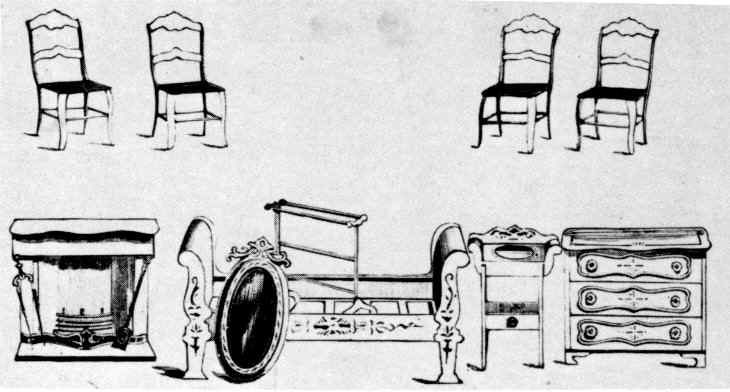
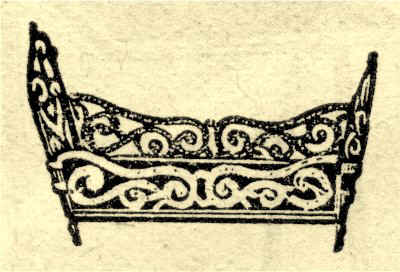
this 1874 "Chamber Set", also of painted tin, included 4 sidechairs, a mantel with tools and a grate, sleigh bed in the Empire style, wall mirror, towel rack, washstand and chest of drawers; catalogue of Althof, Bergmann & Co., New York; likely German in origin
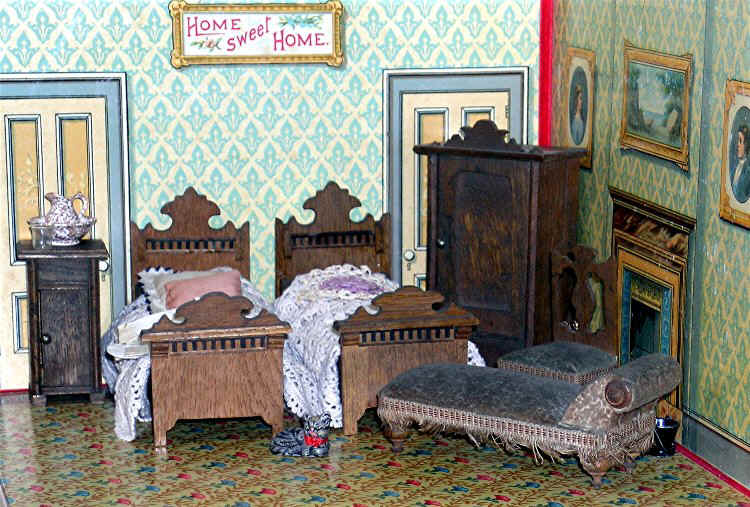
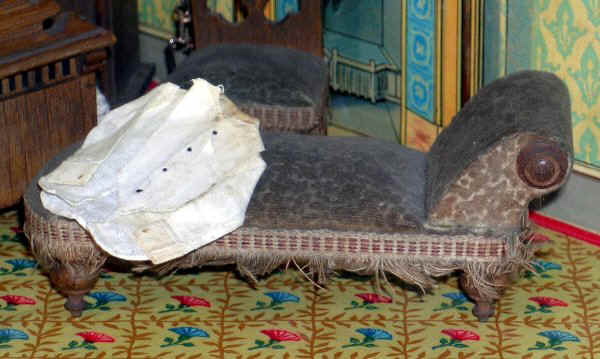
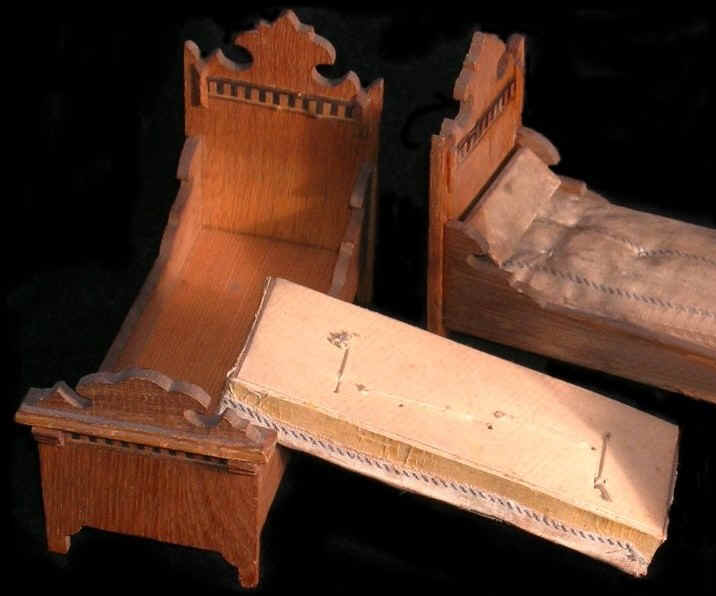
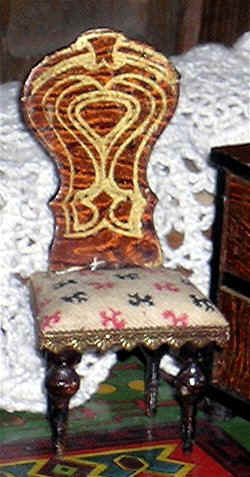
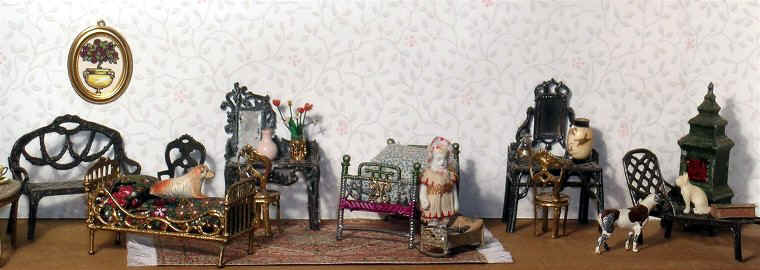
c1880 set of oak bedroom
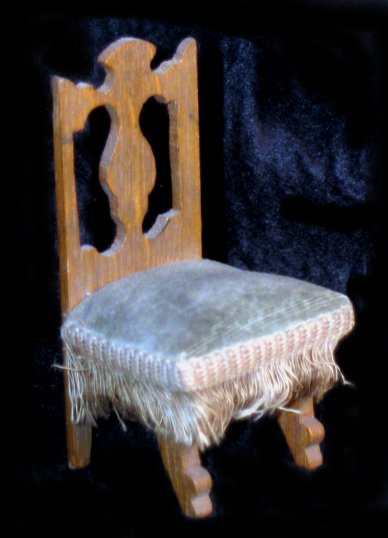
the sidechair, 3½" high, has a dull blue, flocked velvet seat trimmed with a fringe; the front legs are scrolled in an odd pattern
the chaise lounge has a single scrolled end with a wood decoration (representing the end of a round cross-piece) and squat legs with very wide turnings tapering to tiny feet
the beds, each 5½" long, have their original mattresses and triangular bolsters, made of cardboard and covered with striped linen; the mattresses are stuffed with wood shavings and tacked through with heavy thread; the head and foot boards have handsome crests with very thin wood strips representing inlay made of dark and light coloured wood; the side rails are scalloped where they meet the end boards
sidechair with false-grained back and gold lines representing inlay; metallic, thin, pressed seat trim; legs with wide turnings and tiny feet
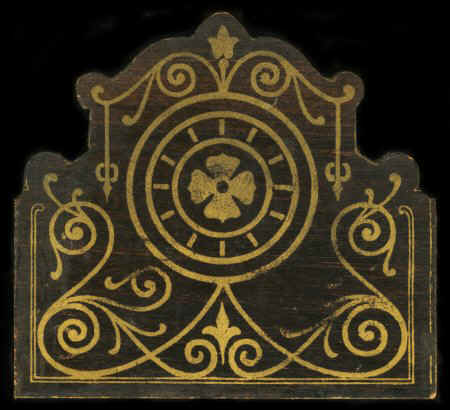
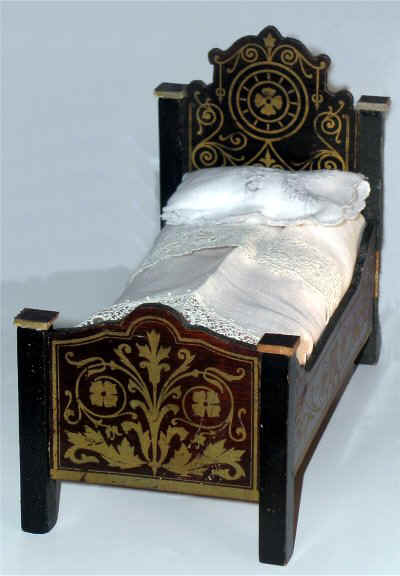
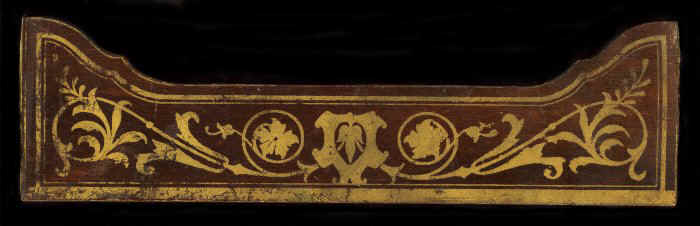
c1890 headboard of the Biedermeier bed shown below; imitation gilt "inlay" on "rosewood" (Boulle or Buhl marquetry); the actual wood is a lighter colour with a large grain; bed 7¼ inches long, 5½ inches high detail showing one of the side-rails below overall picture
(See also History of Dollhouses 1890s )
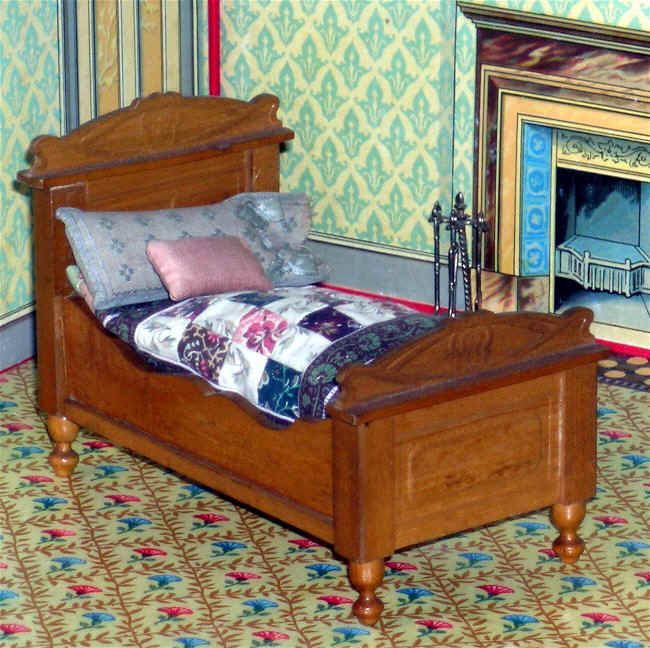
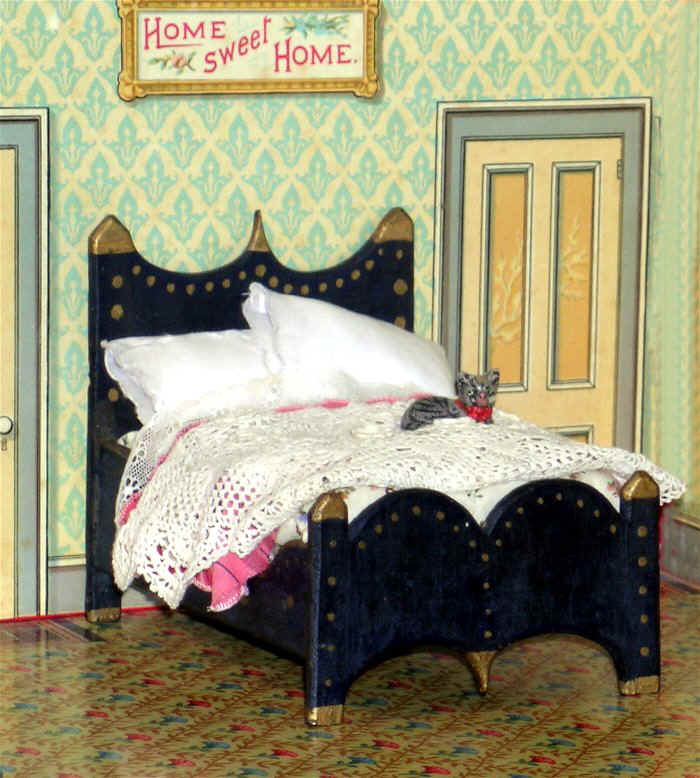
c1900
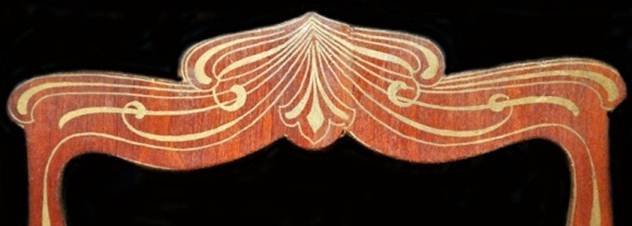
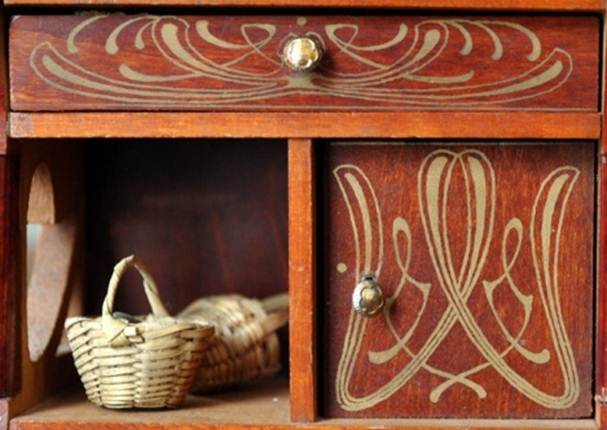
bed with Art Nouveau impressed designs in the cresting of the head and foot
boards; golden finish on wood; sold by the Schwarz toy store in Philadelphia;
attributed to the maker Schneegass, Germany; old
pillows, modern hand-made quilt
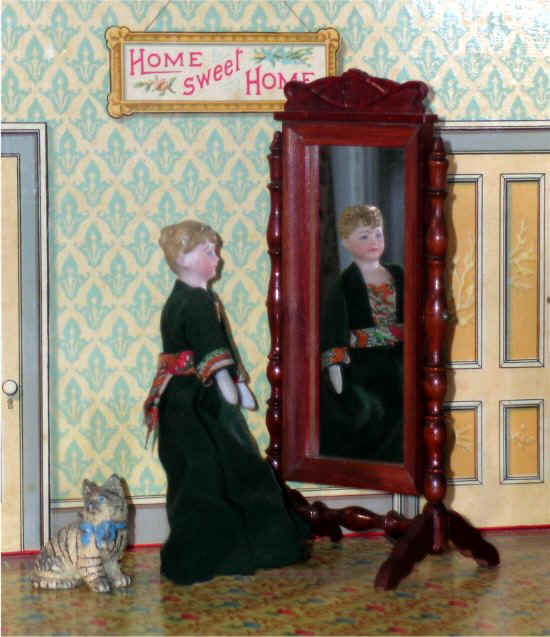
c1900 cheval glass with impressed Art Nouveau design on cresting; red stain finish on wood; attributed to the maker Schneegass of Germany German lady with blond hair in a bun; original dress painted metal tabby cat
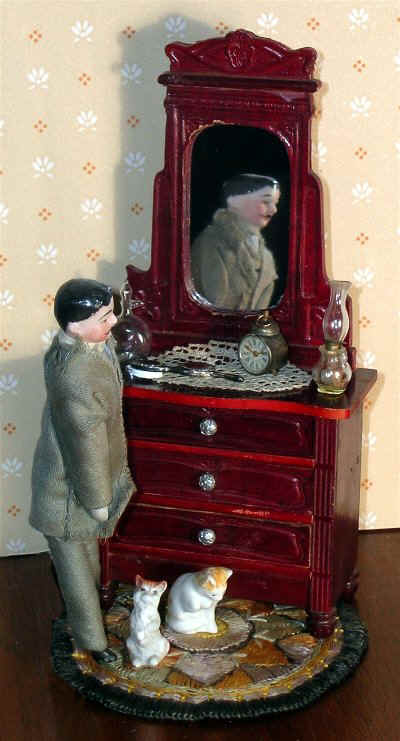
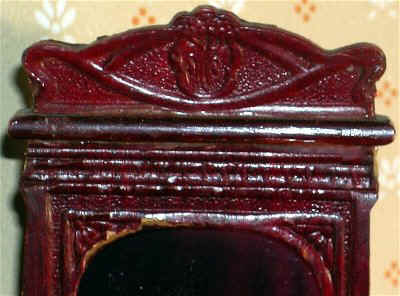
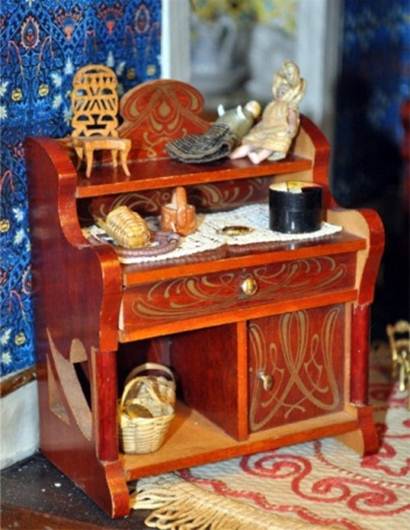
c1900 chest of drawers and mirror decorated with impressed Art Nouveau design on cresting; red stain finish on wood; attributed to the maker Schneegass of Germany German man in original suit
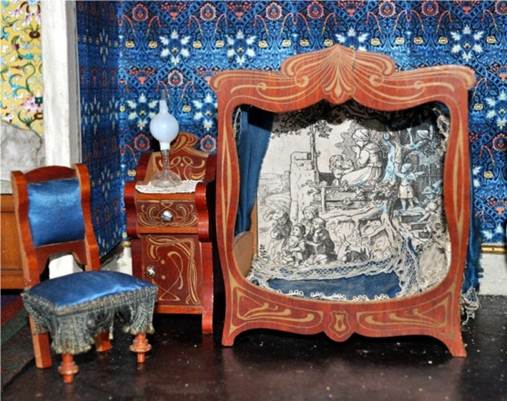
Bedroom set by Schneegass of Waltershausen, Germany, c1900; the bed is only 5 inches
long and may represent a youth’s bed – the original printed fabric scene
shows a mother and children at prayer; the end curtains and bedspread are
lace-trimmed blue satin; the sensuously cut-out wood is treated as Boulle marquetry
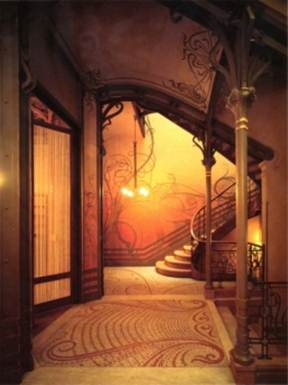
Art Nouveau
(also known as Style Moderne and Jugendstil) strongly influenced European architecture and
the decorative arts from c1888 to c1914 -- as seen in the Hotel Tassel (left) of 1893 by Victor Horta in Brussels
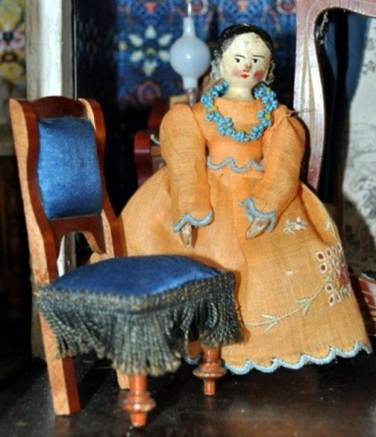
below The side-chair belongs to the set; original upholstery; newly dressed, early, articulated wood doll with bun and ringlets
above c1910
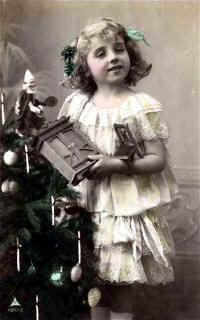
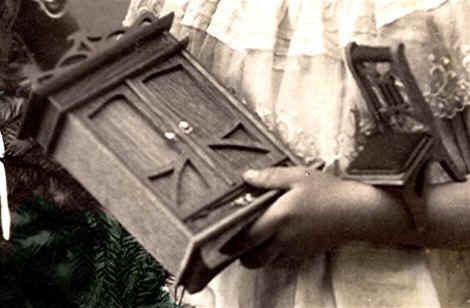
undated French postcard and detail showing toy side-chair and wardrobe, the
latter with attractive door panels in Art Nouveau style, pierced work in
cresting
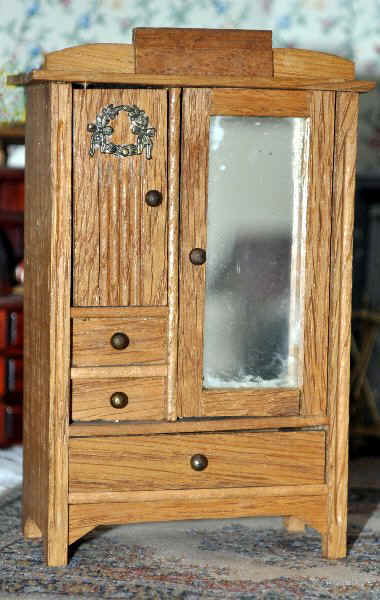
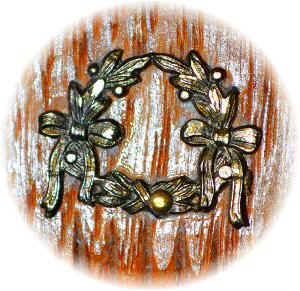
c1910-c1920 oak wardrobe with a metal mount in the form of a wreath made of laurel leaves and berries, tied with ribbons and bows; the laurel was sacred to Apollo, patron of poetry and music; classical in style, pegs for hanging clothes behind the mirrored door
WASHING
AND SUCH
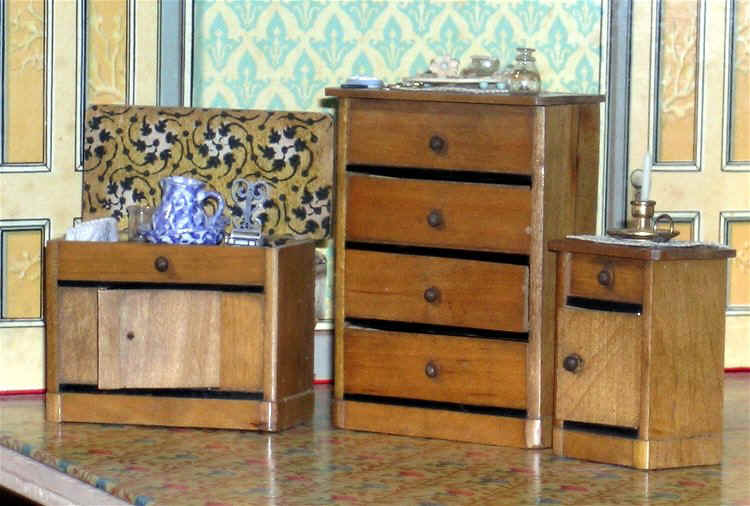
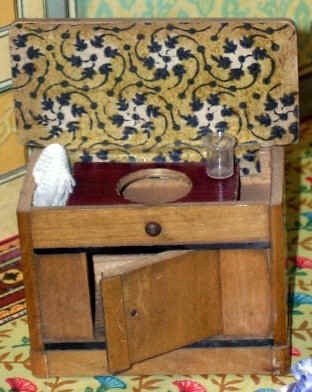
c1900 an austere set
relying on straight lines emphasized by black bands (representing ebony) and
solid bases; the swirling wallpaper lining the inside lid of the washstand
comes as a surprise, with an interior piece cut-out to receive the basin from
a toilet set ; only 1¼" deep, all the drawers open in the chest of
drawers
right washstand, 6½" high, from a set of painted wood bedroom furniture; rack with early towel
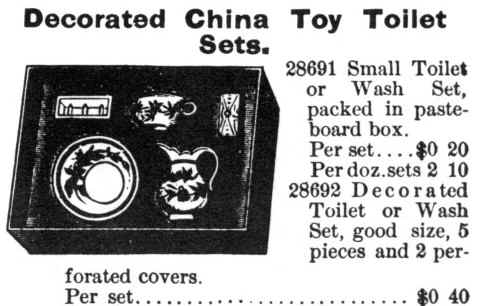
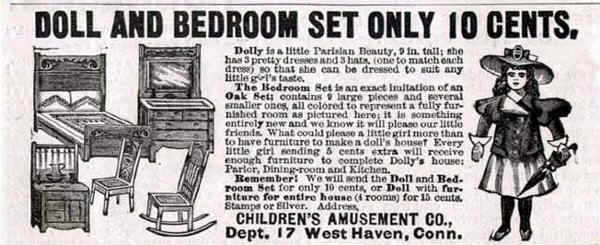
1889 advertisement from Montgomery Ward catalogue
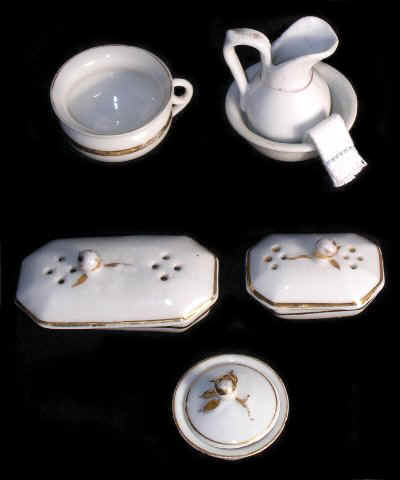
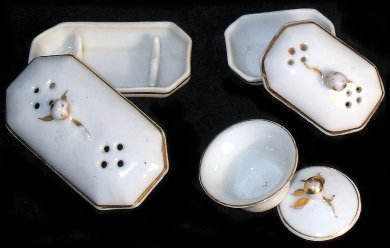
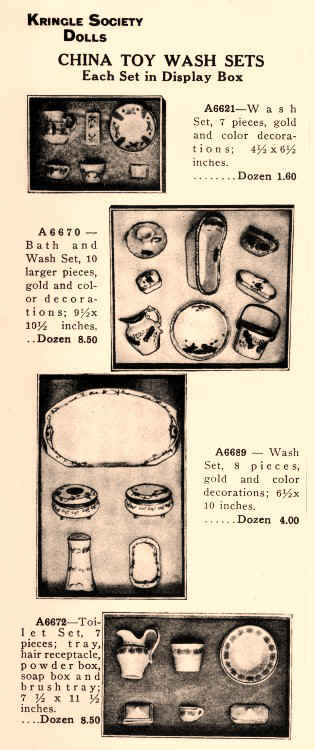
c1880s although too large in scale for most dollhouses, this toy toilet set shows the range of items found in expensive sets, including perforated covers for the soap and toothbrush dishes; unmarked, likely English in origin; gilt decoration added freehand as borders and in the form of leaves and stems for the 3-dimensional "roses" or knobs; longest lid 3" in length; (basin substituted from another set) plumbing was unreliable and bathrooms often inconveniently located and chilly in the winter; toothbrushing and spot washing at a washstand in the bedroom, along with the convenience of a night chamber pot, continued well into the first three decades of of the 20th century
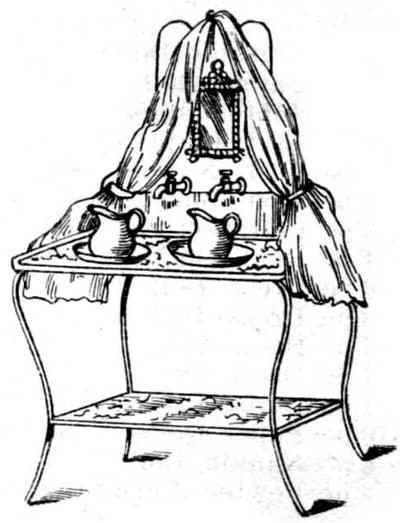
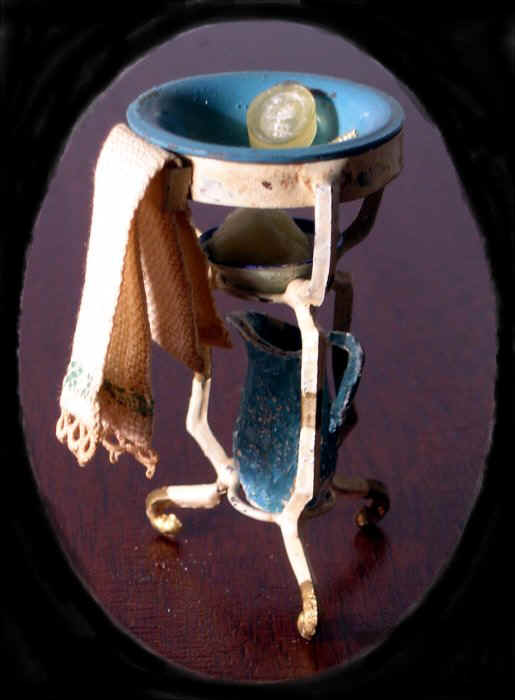
above 1905 tin washstand, 6 inches high; his and hers? -- two faucets for two jugs and basins; the draped material is perhaps toweling; Wiemann & Muench catalogue, Milwaukee, Wisconsin
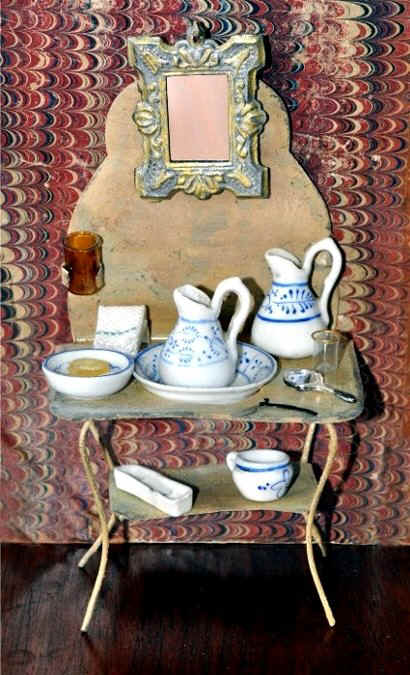
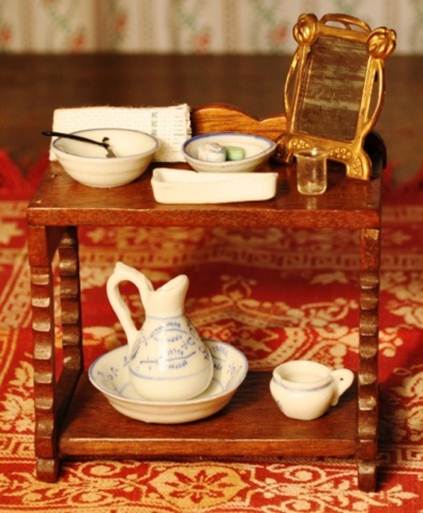
right c1905 tin washstand, 7 in. high to top of old (but not original to this stand) tin mirror, with blue-onion wash set
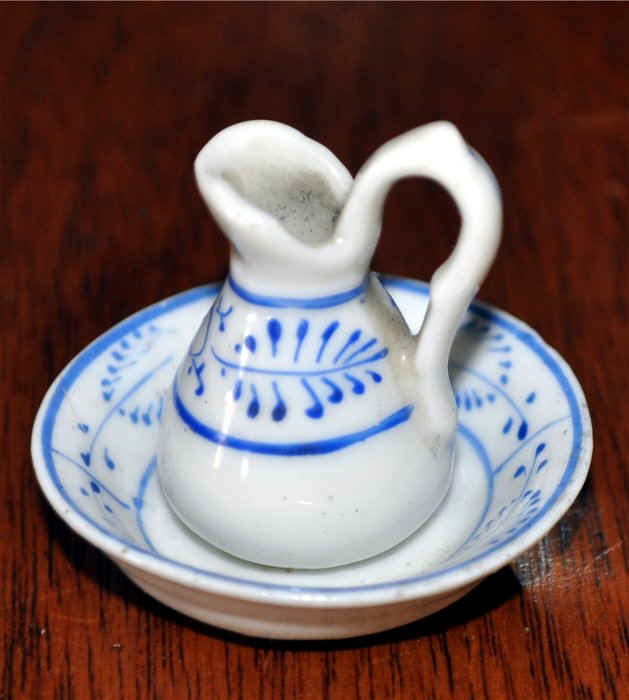
blue-onion china washset, German, jug 1½ in. high, see basin below
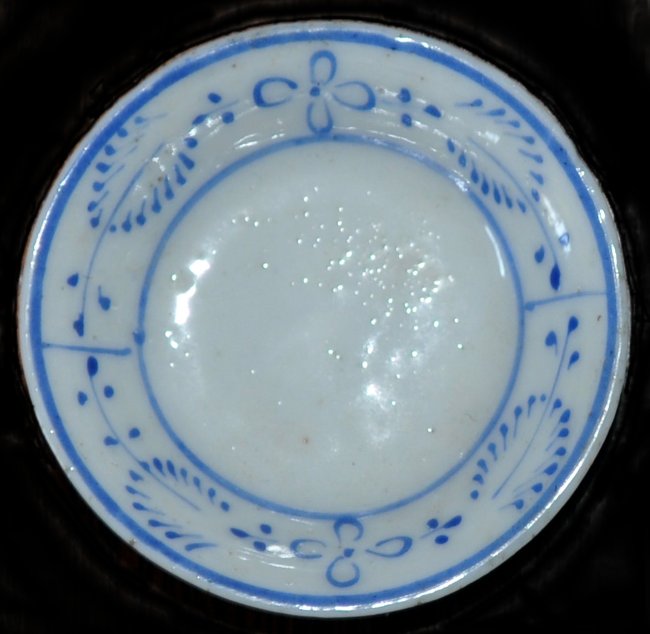
blue-onion, hand painted, wash basin, German, just over 1½ in. in diameter
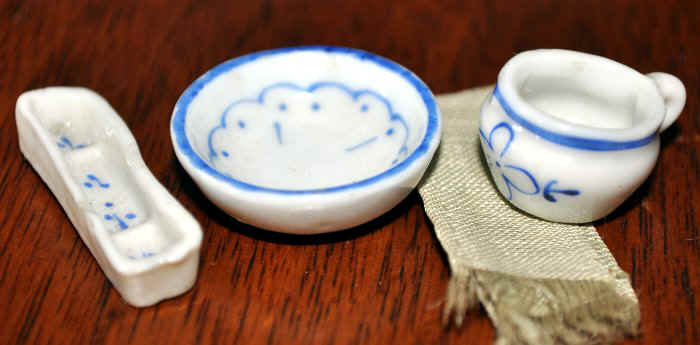
pieces from a blue-onion washset
including chamber pot ½ in. high
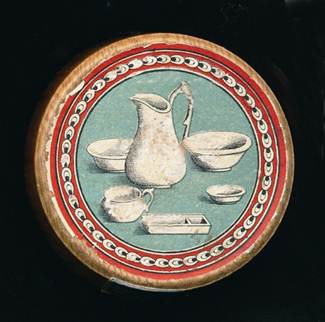
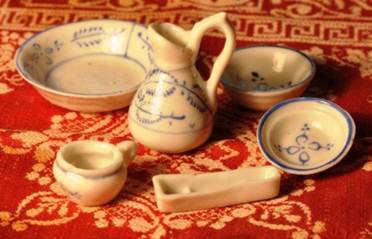
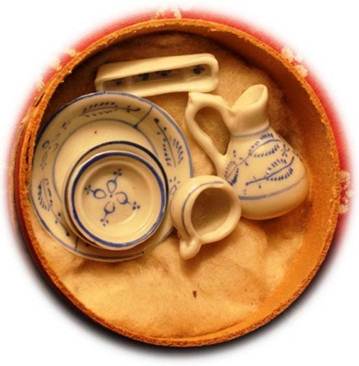
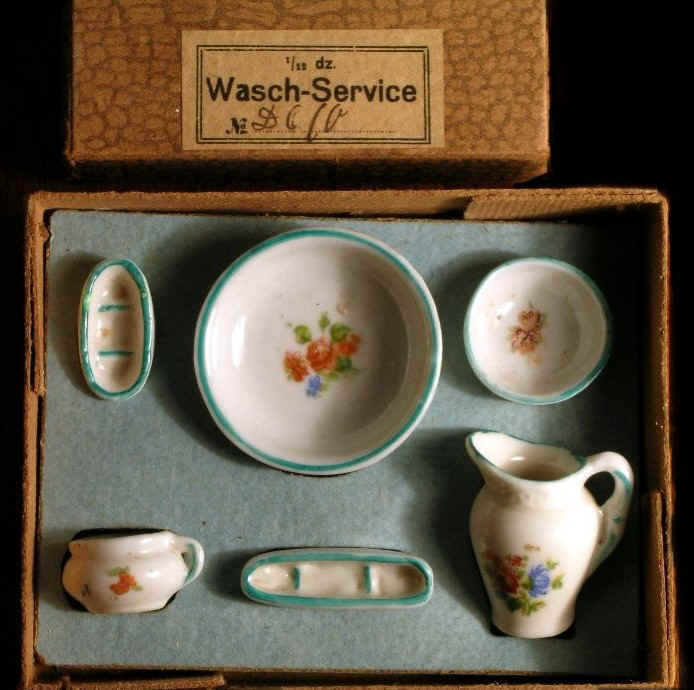
Set of six pieces of a wash-set in its original cardboard box
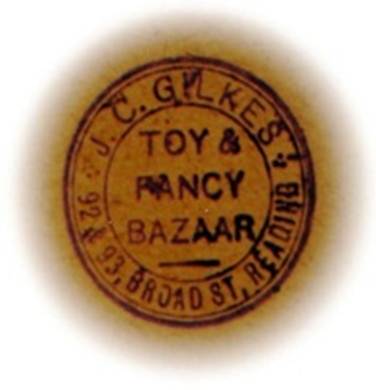
(3¼ in. dia.) with its padding, made in Germany, but stamped as sold by “J.C.
Gilkes, Toy & Fancy Bazaar, 92 & 93 Broad St,
Reading” (England). Never played with and retaining its original price tag.
This was likely Joseph Charles Gilkes, born in Basinstoke Hants in 1855 and dying in Reading in 1940. He
was living there by 1901.
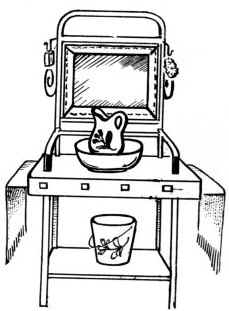
1914 metal painted and enameled washstand; complete with mirror, soap, sponge, towels, jug, basin and bucket; just under 9" high; Marshall Field catalogue
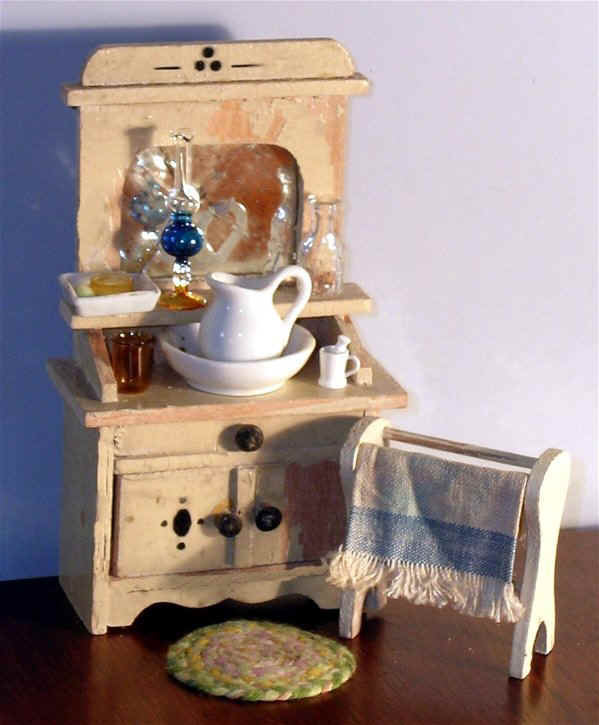
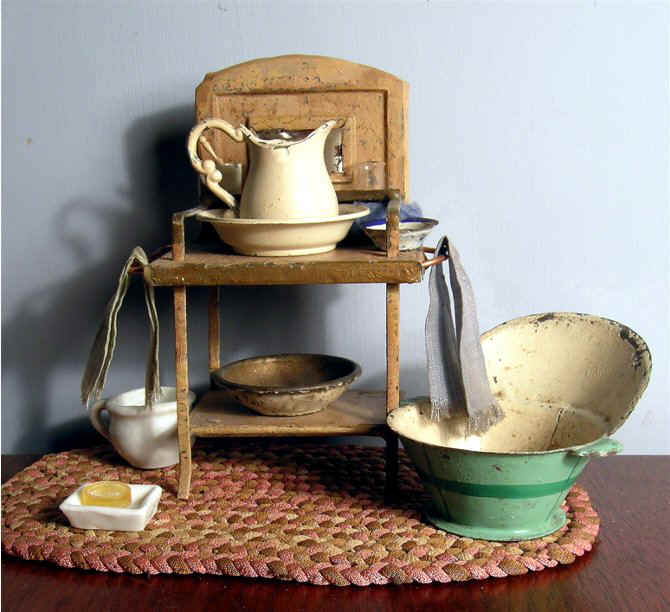
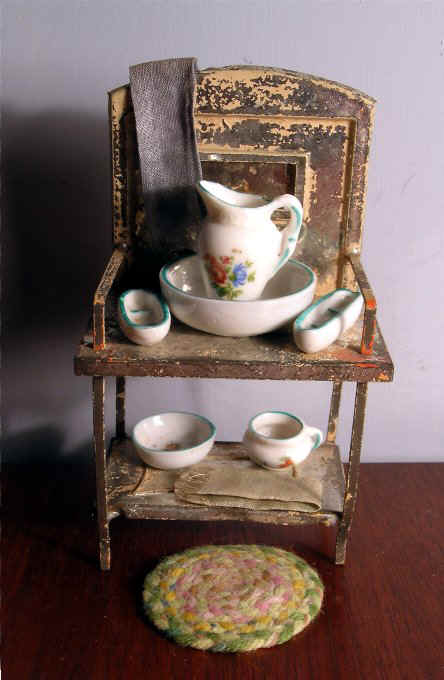
Above Painted tin wash stand, c1914, and with pieces from various sets; the tin basin on the lower shelf is original to the wash stand, which is 4½" high and has a mirror on the back splash plate; painted tin hip bath; china soap dish and chamber pot; braided mat; early towels Below
Painted
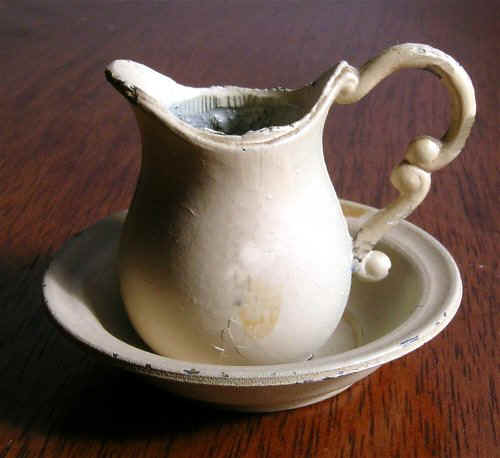
and moulded metal (zinc?) jug and basin for washing (jug 1¼ " high)
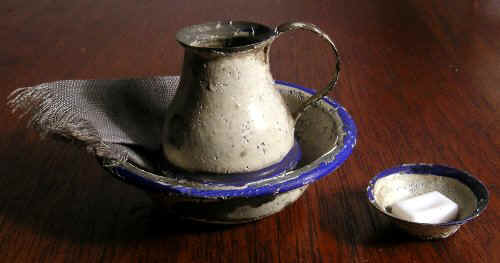
Below Tin jug, basin and soap dish, painted cream with blue trim (jug 1¼ " high)
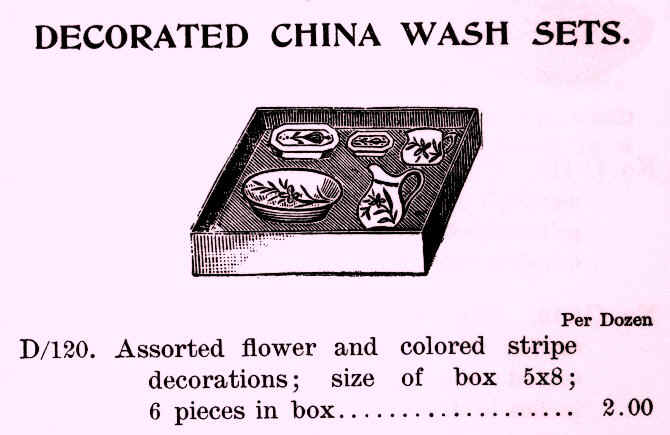
1893 Carl Stirn catalogue, New York
German china wash set in its original cardboard box, 4¼" x 3½"; basin 1½" dia.; it is difficult to find wash sets in a small enough scale to suit a dollhouse; displayed on a painted tin wash stand (below left)
1914 Marshall Field catalogue
c1910 "red stain" chest of drawers with separate swing mirror; chest with paper label "Germany"
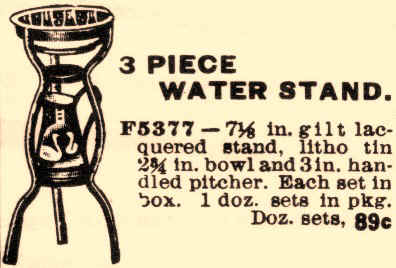
1914 ad in Butler Brothers catalogue for a doll-size (over 7 inches high) "water stand" including a pitcher and bowl
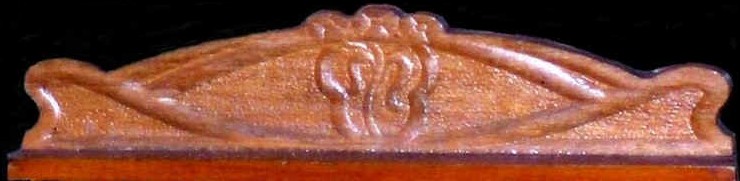
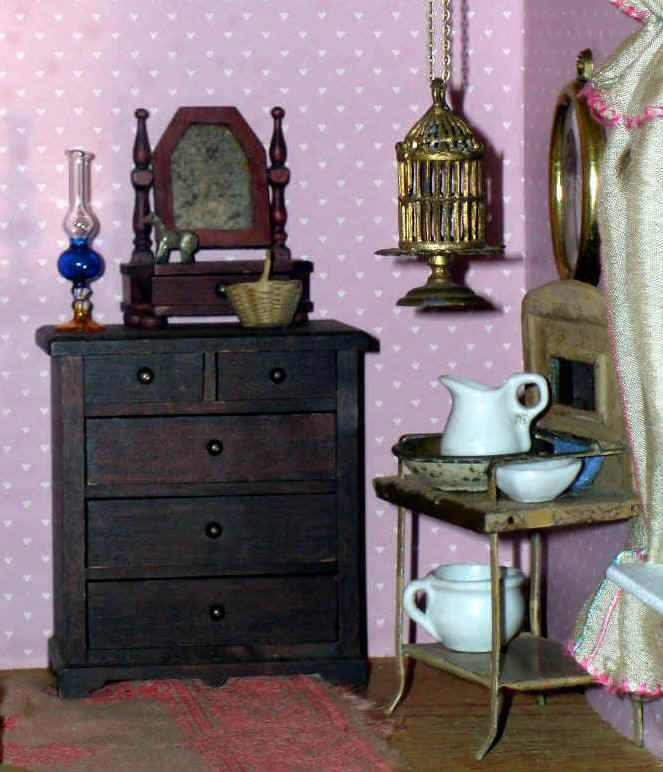
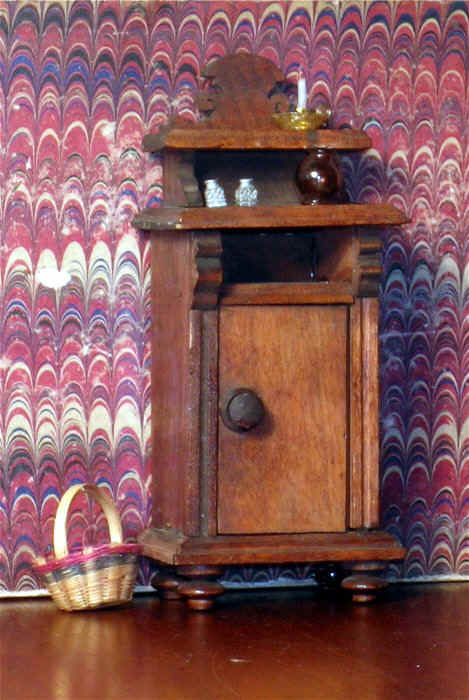
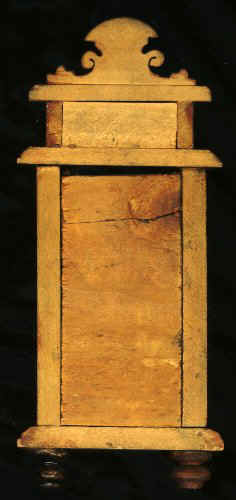
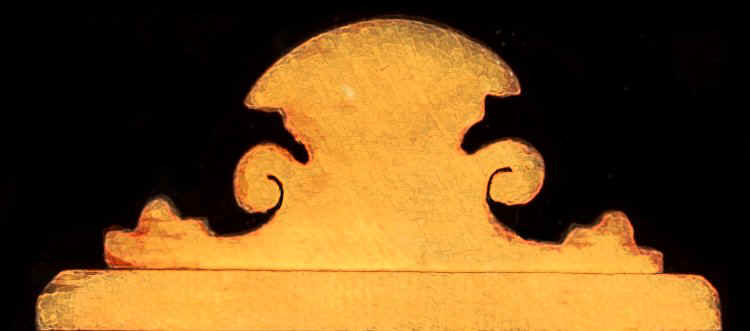
c1880 washstand, 4¾" high, likely German below back (right foot original); detail of crest further below
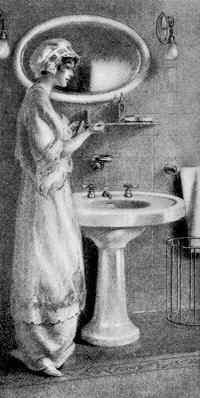
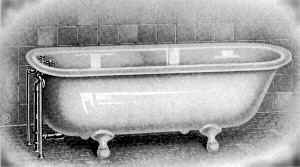
pedestal sinks
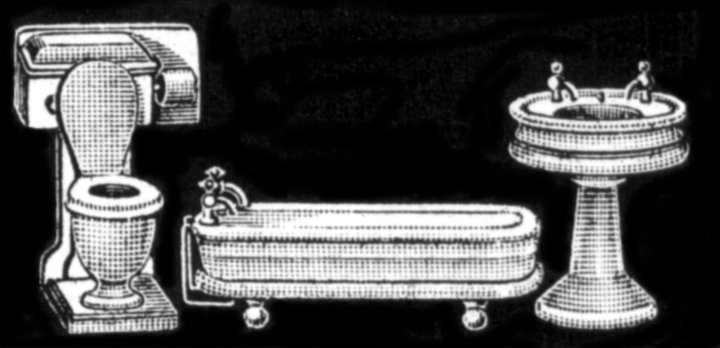
and free-standing tubs on feet are typical at this time, as seen in these
images from a real plumbing catalogue
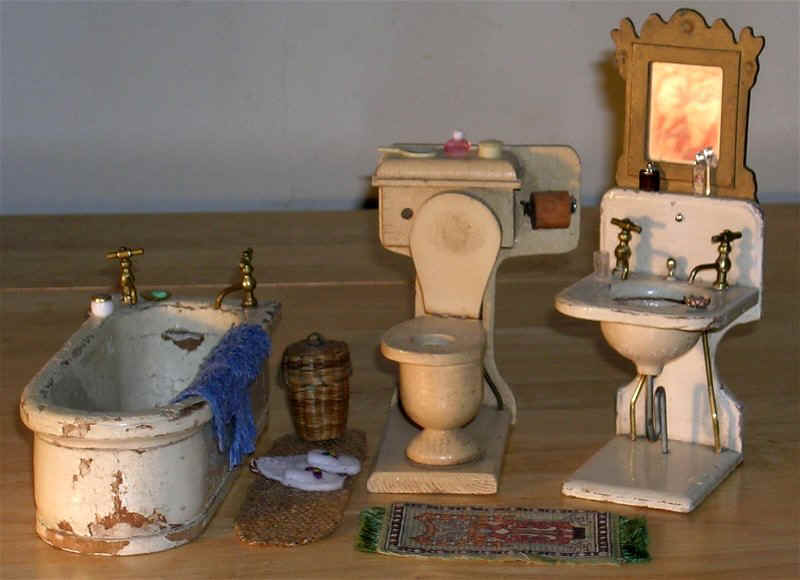
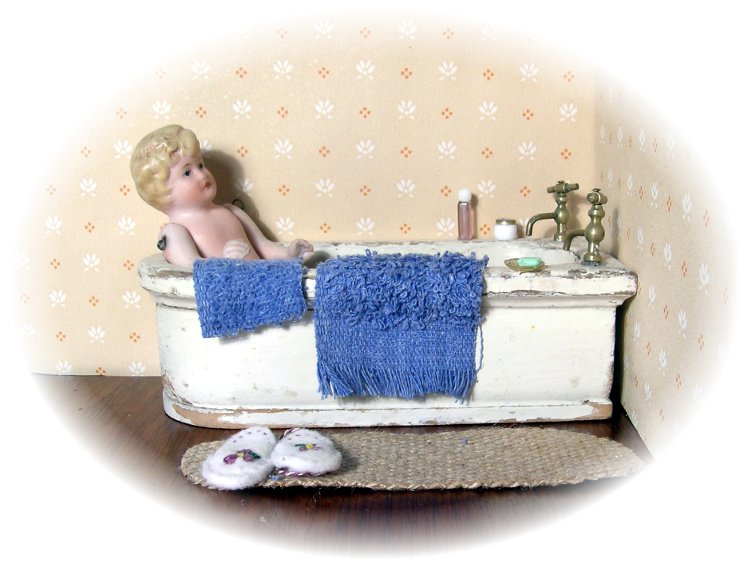
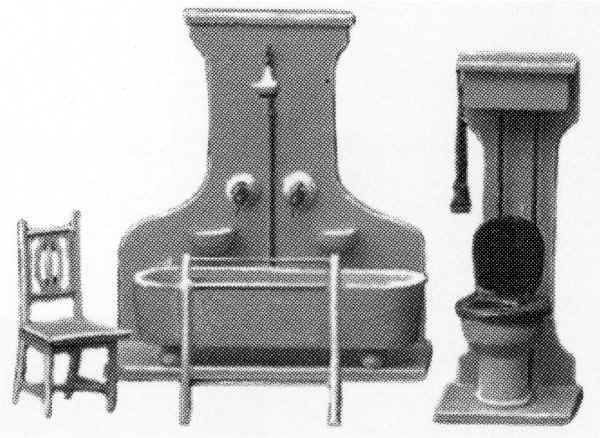
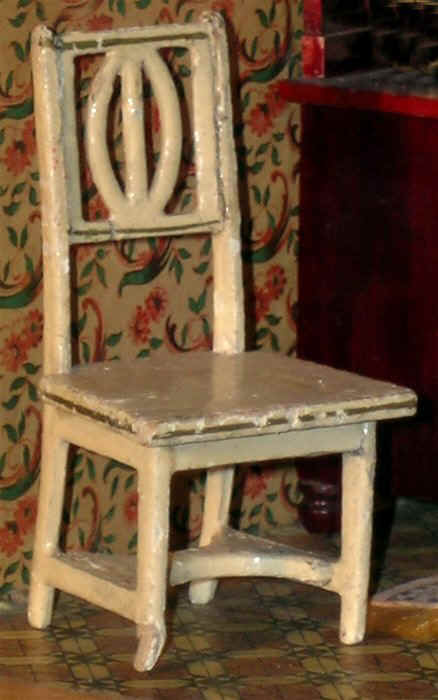
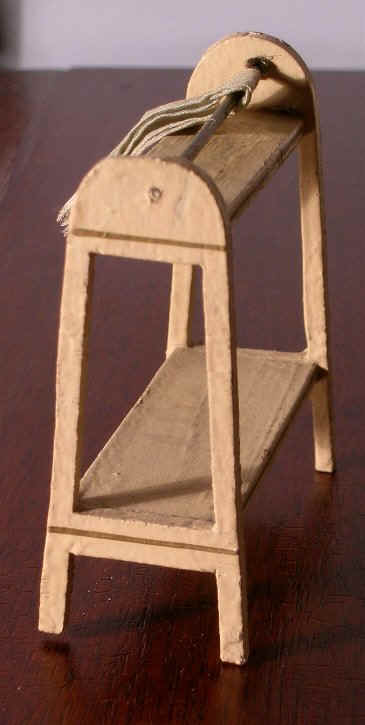
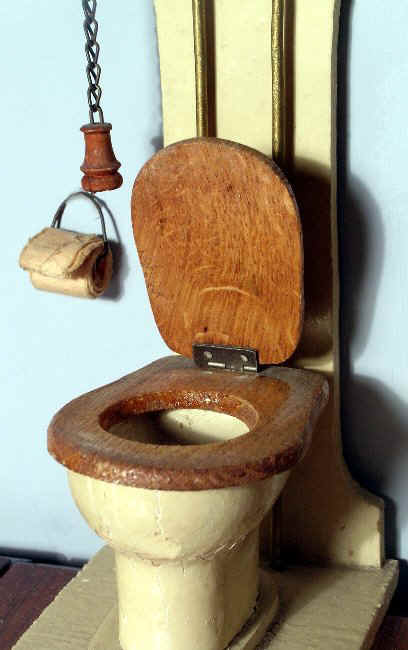
Shown in the Gottschalk, Germany, catalgues from 1921 to 1925; thereafter, it was discontinued in favour of porcelain fixtures; seen with a sidechair, which appeared in the catalogues as early as 1912; in this 1924 view, the towel rack is in front of and parallel to the tub making the two pieces difficult to distinguish
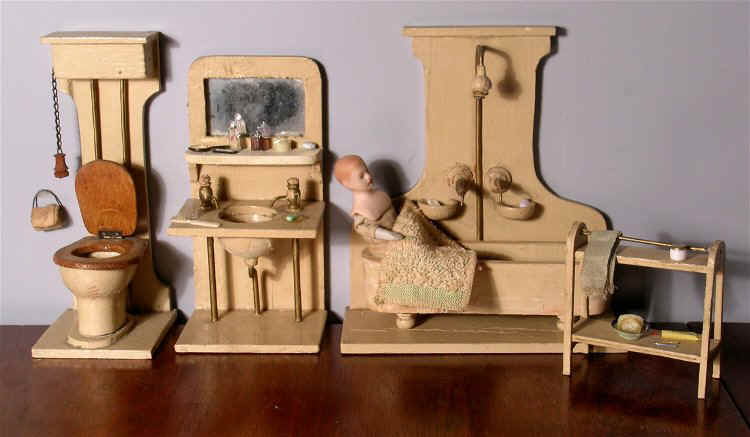
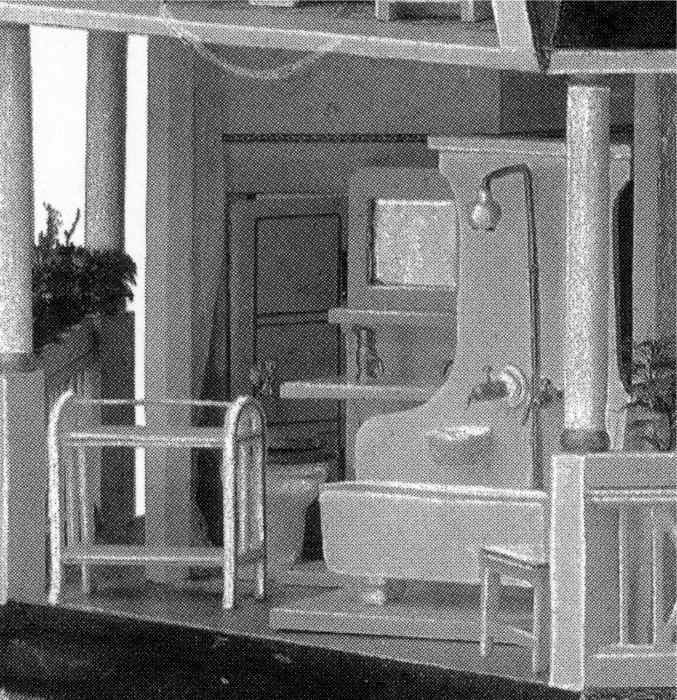
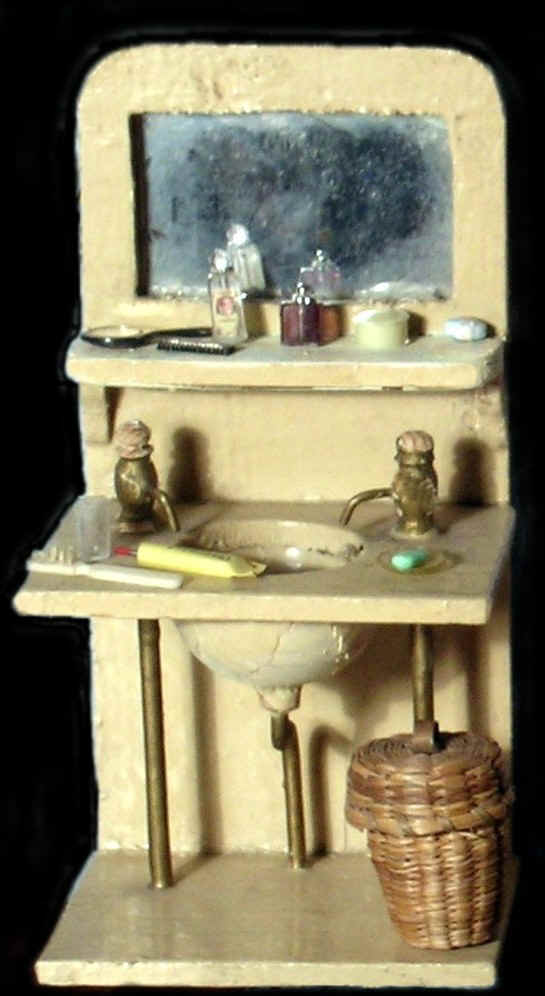
below the towel rack, toilet, sink with mirror, tub and shower are squeezed into this Gottschalk dollhouse of 1921; the pieces took up a lot of space with their wall and floor sections
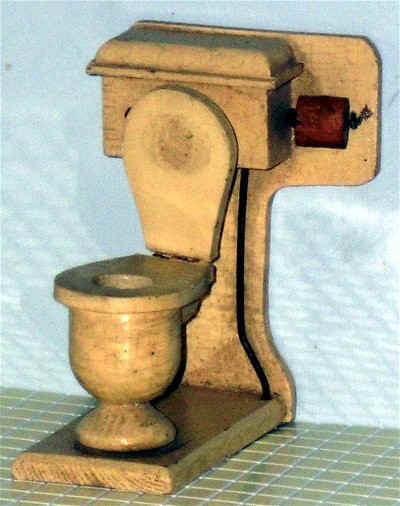
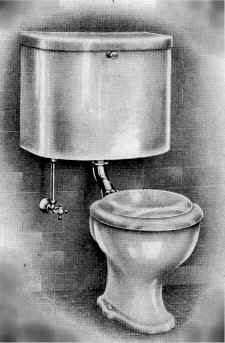
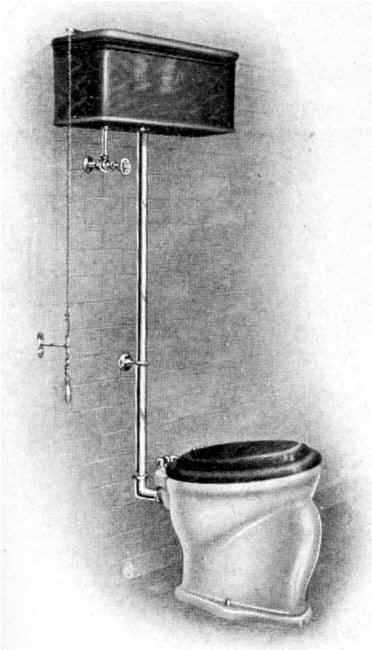
the toilet paper roll and wire holder are old but not original to this set; in the 1920 illustration below for a real toilet (James Robertson Co., Toronto) with a wall tank, the second pipe exits the partition a short distance below the tank to supply it and thus allowing the rest of the pipe to be out of sight; the visible pipe drains water from the tank to the toilet basin when the chain is pulled
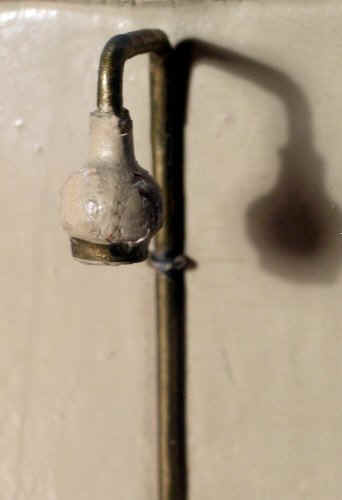
shower head (turned wood painted cream and gold) and faucet (which is missing the metal upright handle visible in the catalogue illustrations); the pair of curved soap dishes are charming
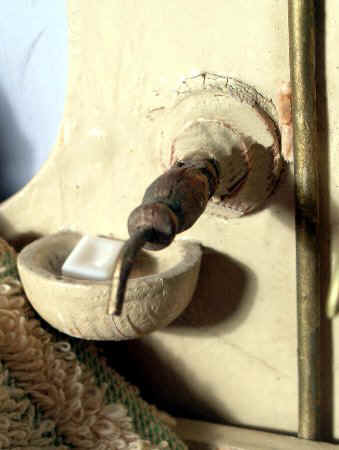
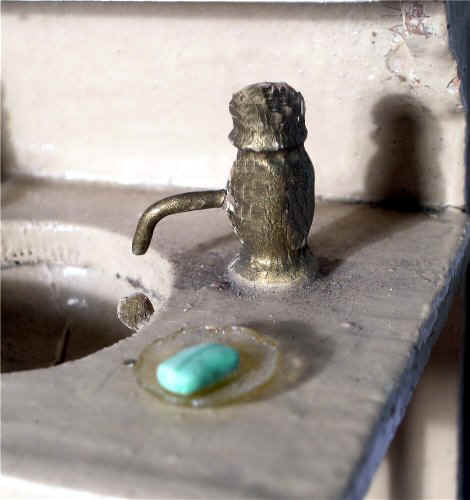
sink with a detail of one of the faucets (turned wood painted in gold with a metal spout); note the knob to release the drain plug (the latter is not actually present); in this example, the shelf is a replacement but the pair of supporting brackets is original
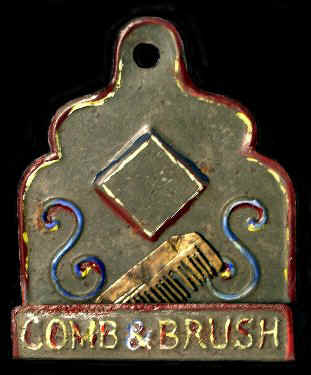
tin comb & brush holder for the wall; when the tin was new and shiny, the diamond likely acted as a mirror; 2¼ inches high
THE NURSERY
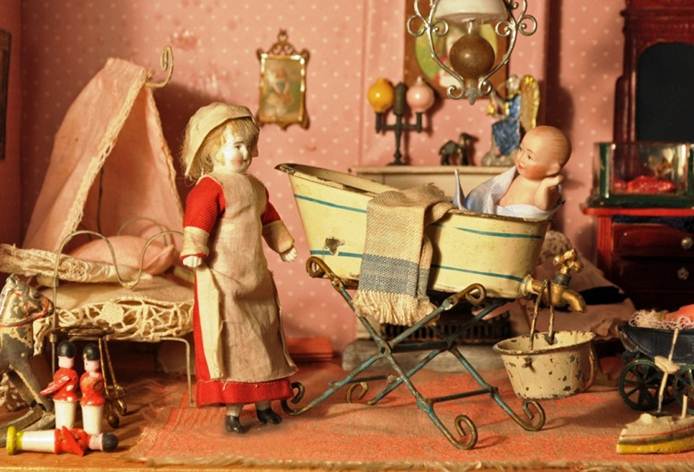
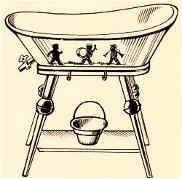
above painted metal baby's tub; attributed to Maerklin
of Germany; fleur-de-lis faucet to drain tub, which rests on collapsible X
base, with pail; German maid in
original uniform and baby; early linen towel
left 1914, large metal painted
bathtub on stand; 10" long; Marshall Field catalogue
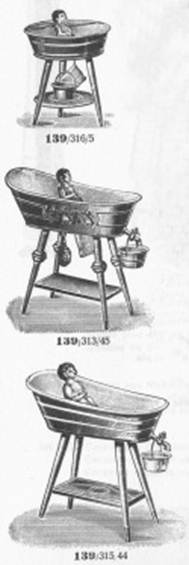
right 1924-26 Three metal tubs on legs, Der Universal-Speilwaren-Katalog, left
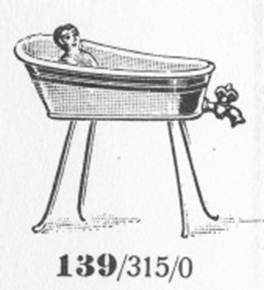
1924-26 Simple tub on wire legs,
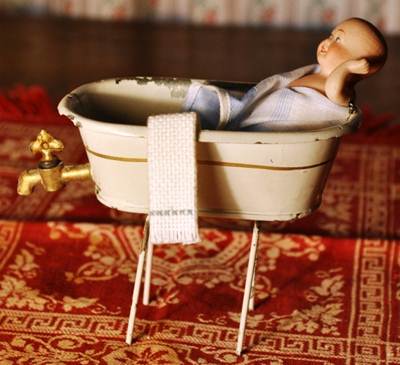
fleur-de-lis tap, Der Universal-Speilwaren-Katalog, compare
with example below
c1910s
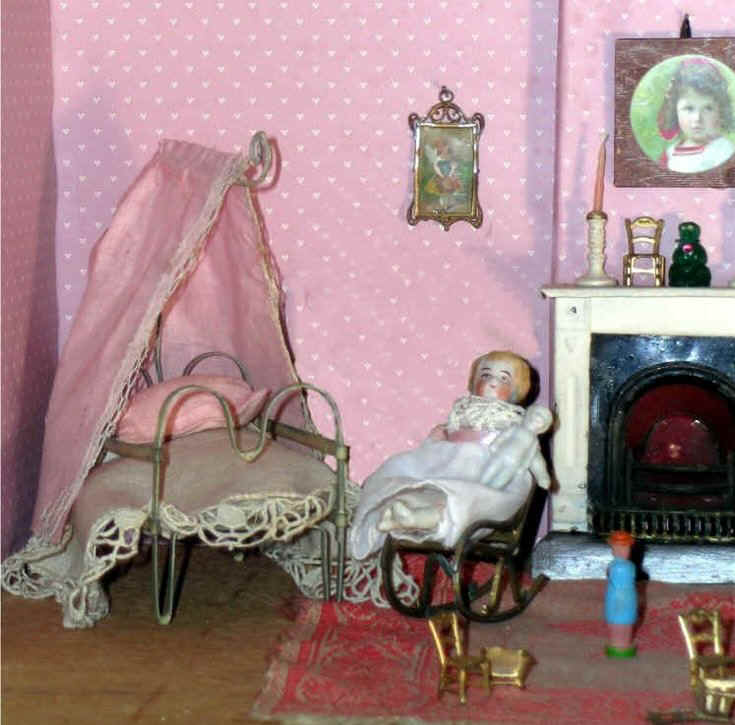
painted metal half-canopy child's bed with original drapery; little girl (in
recent dress) on metal rocker
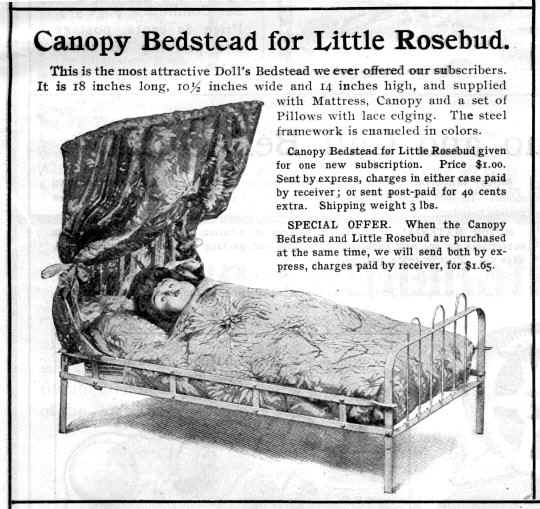
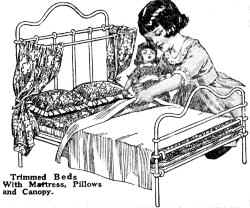
1901 although far too large for a dollhouse, this metal 18" long bed with a half-canopy shows how beds were dressed, including tie-backs for the curtains, which reach only to the mattress level; there is an upwards slanted, rectangular, open frame on which the draperies hang (such a frame is visible on the1922 doll's bed below sold by Sears Roebuck, lengths ranged from 14 to 30"); behind the metal headboard is more drapery (the head cloth); the bedspread (counterpane) is tucked in to allow the side rails to show; Youth's Companion
right 1922
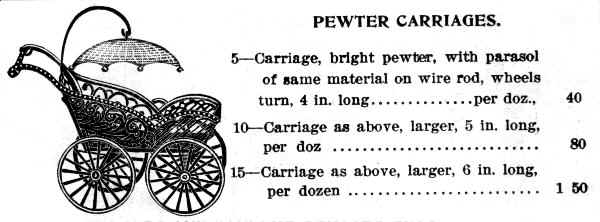
1905 baby carriage in pewter representing wicker; Wiemann & Muench catalogue, Milwaukee, Wisconsin
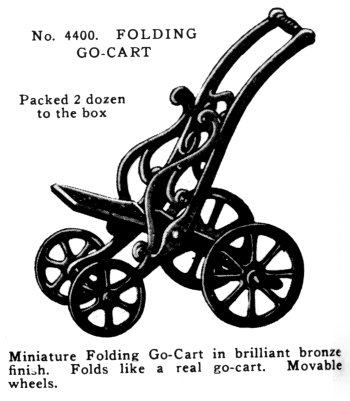
right 1925 folding go-cart (stroller) in bronze finish over metal by Tootsietoy, an American firm; Tootsie catalogue # 46 by Dowst Brothers, Chicago
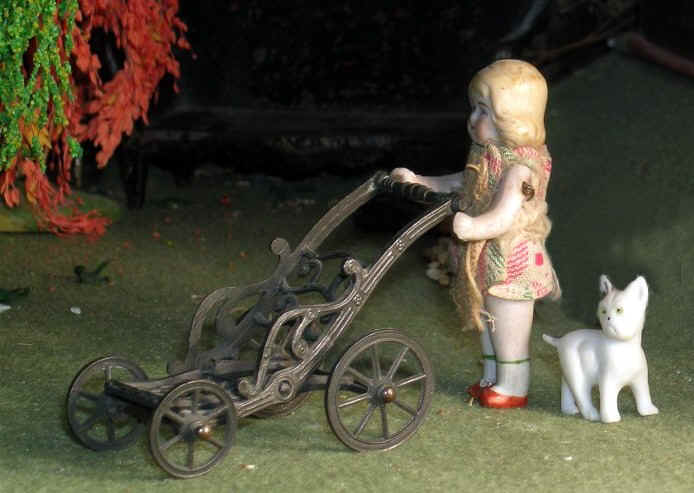
below 1925 folding metal go-cart, 3" long in open position; bisque little girl (2¾" high, original clothes) and pup, both marked Germany
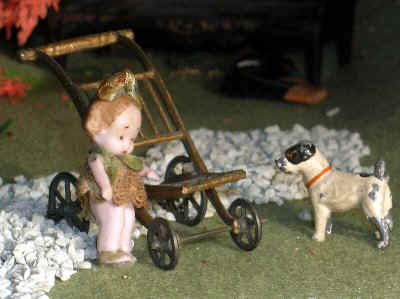
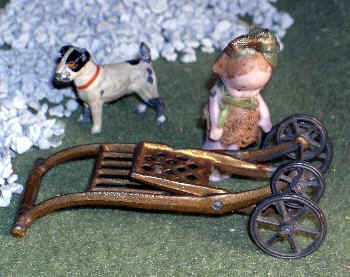
c1920s folding go-cart, bronze finish over metal, 2½" long in open position, (not marked with maker's name or country); bisque toddler in original clothes and hair bow, 1¾" high; painted metal dog
MORE BEDROOM FURNITURE
c1900-c1920s, painted, soft metal Penny Toys; "brass" bed by Simon & Rivollet of France, 2½" long; some pieces are marked France; bisque girl with moulded bonnet and original cloth dress, 2" high
1905 pewter bed in Wiemann & Muench catalogue, Milwaukee, Wisconsin
1903 oak bed with a tall head board
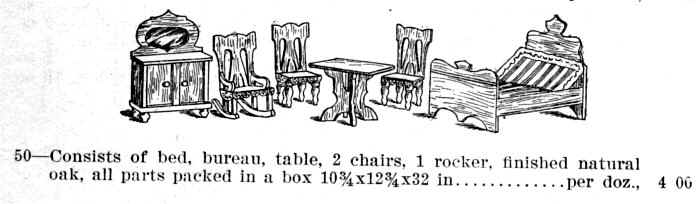
1905 oak bedroom set (Montgomery Ward catalogue) including 2 sidechairs, a table and a rocking chair; the chair backs will evolve into a type popular into the 1920s but here the chairs retain the older form of turned legs and fringe trim; the chiffonier has the old fashioned, wide, turned feet; the table with a base composed of two flat, cut-out, thin, spliced pieces of wood continues in the next decades -- compare with the advertisement below
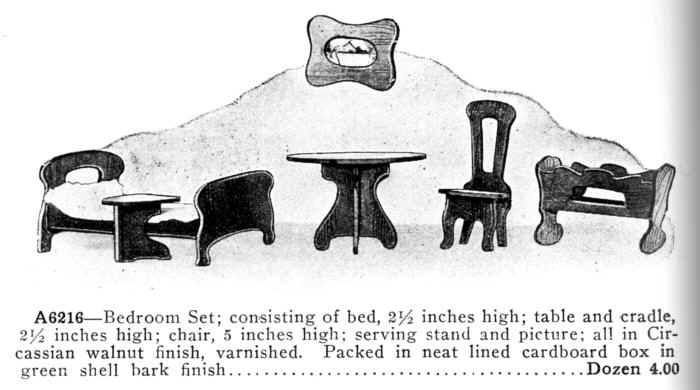
1914 bedroom set in varnished walnut finish including a picture, cradle and "serving stand" (fitting on the bed); the fringes and turned legs or feet have been abandonned in favour of sawn wood; Montgomery Ward catalogue
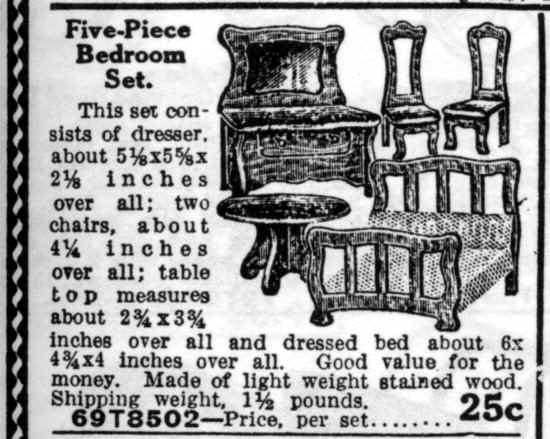
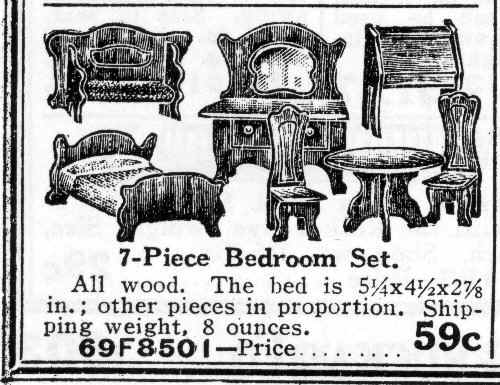
1919 on left and 1921 on right, which includes a sofa and desk; both Sears Roebuck catalogues
unusual painted wood bed with pronounced curves
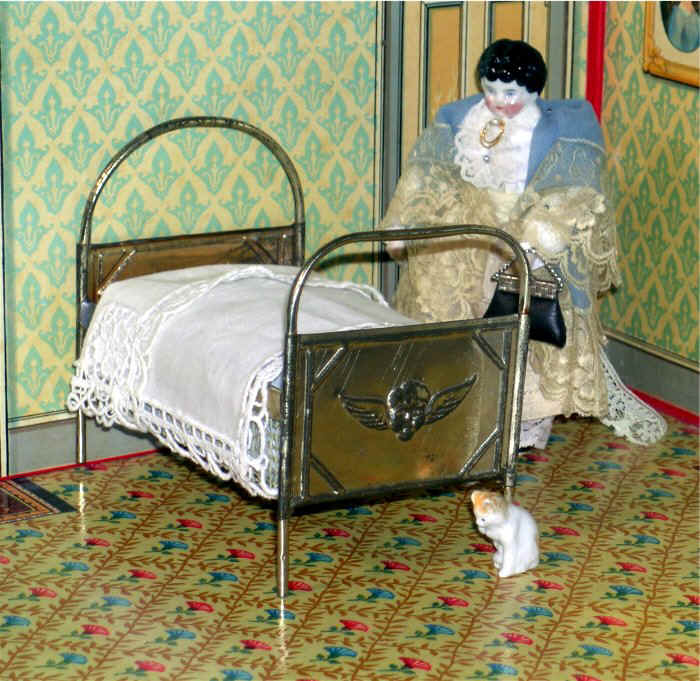
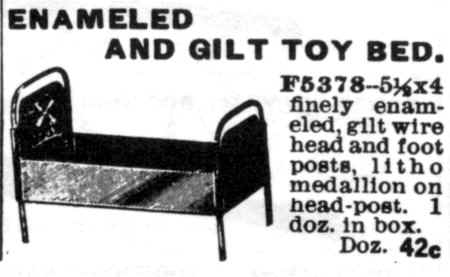
metal bed with cherub head on end board
1914 Butler brothers catalogue
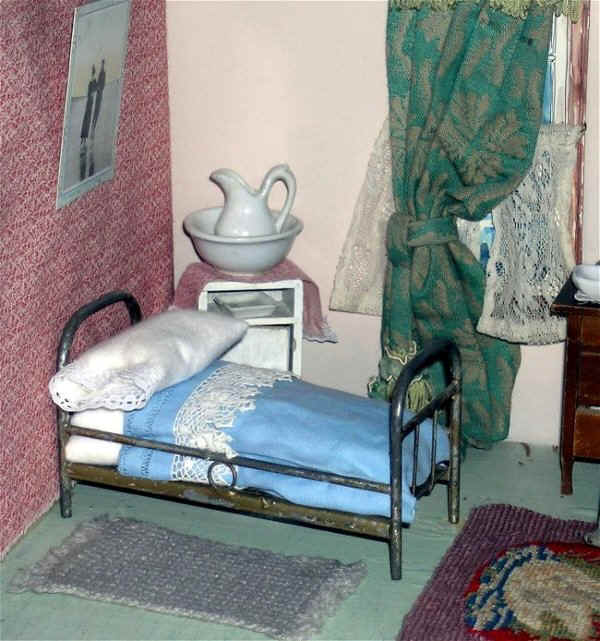
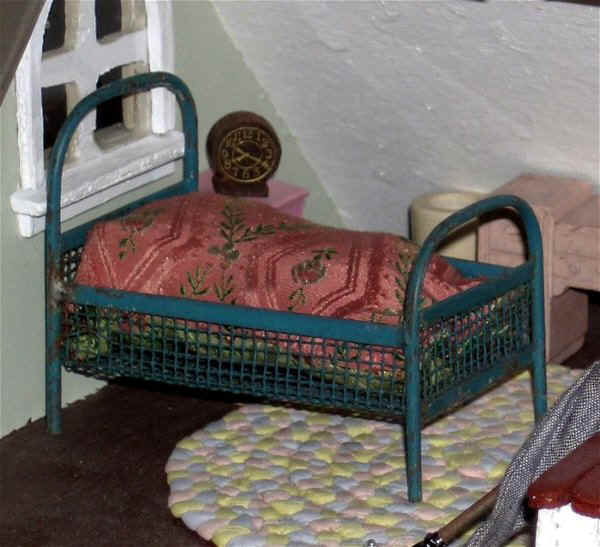
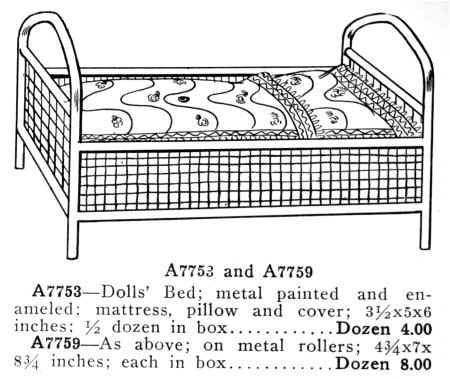
1914 painted metal with mesh mattress support; Marshall Field catalogue
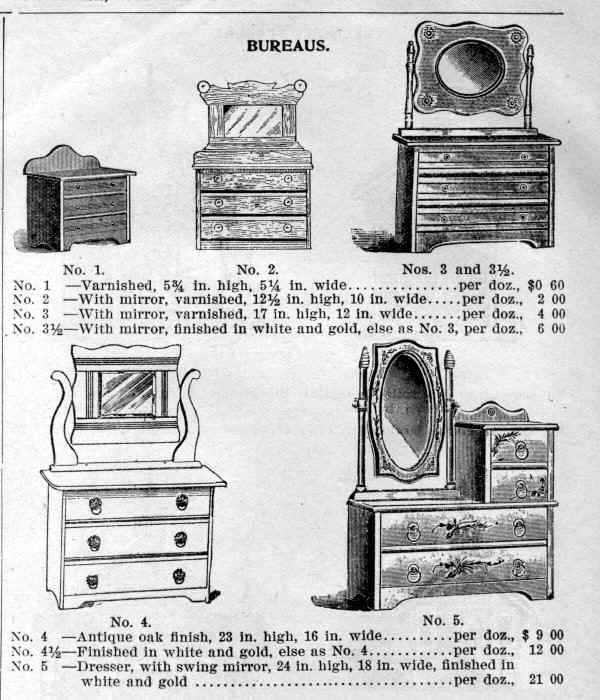
1905 although only one of these chest of drawers is small enough to fit into a dollhouse (upper left corner), they are a good indication of styles then popular; despite the use of curves and scrolls, there are also straight lines, sometimes appearing like reeding, as on the lower left chest's mirror, extending to the edges of the boards, as seen in Charles Eastlake's Hints on Household Taste of 1878; Wiemann & Muench catalogue, Milwaukee, Wisconsin
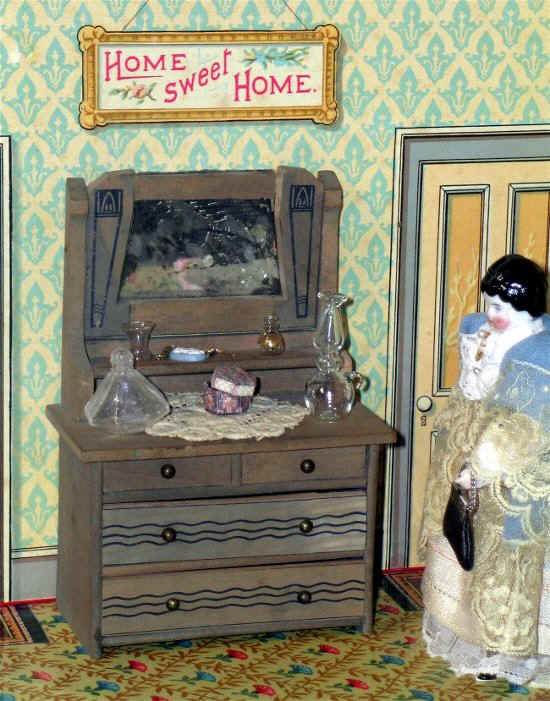
c1920s; "Made in Germany"; note use of parallel straight lines
stamp on back; (top horizontal board replaced); part of a set (see also The Parlour in section 5); 6" high
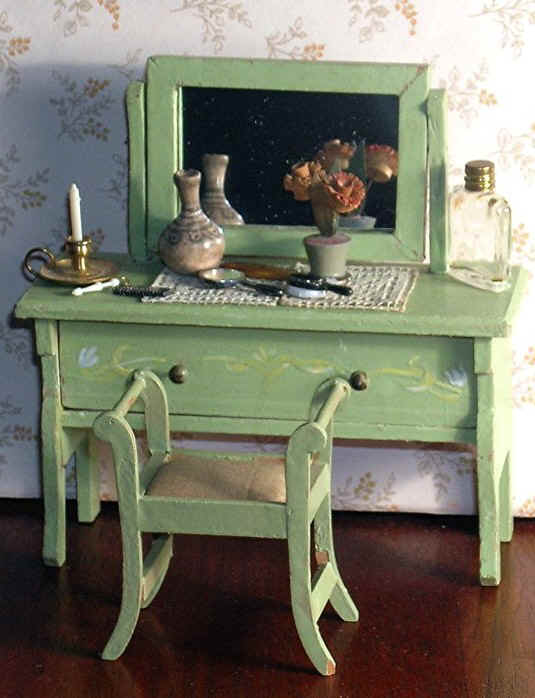
c1910-20 dressing table and stool, marked "Germany", painted green with impressed floral design on drawer, swing mirror
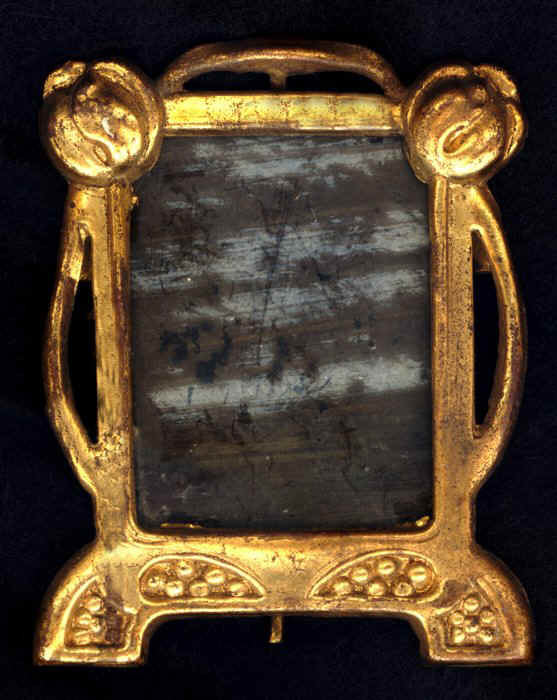
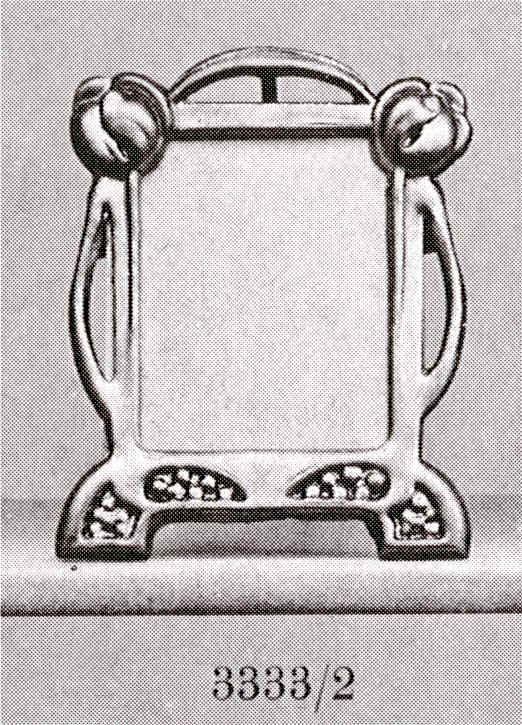
ormolu mirror by Erhard & Söhne, Germany, shown in an undated catalogue but likely early 20th century; stylized tulips at top corners; 1½ inches high
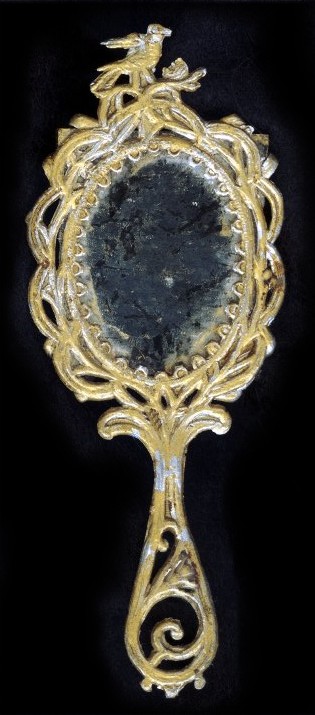
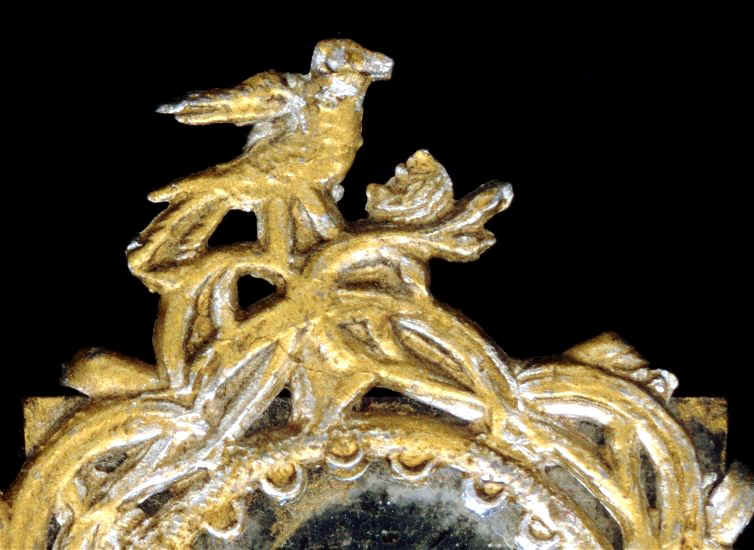
hand mirror, painted metal, origins unknown, early 20th century; bird fluttering at top; 2½ inches long
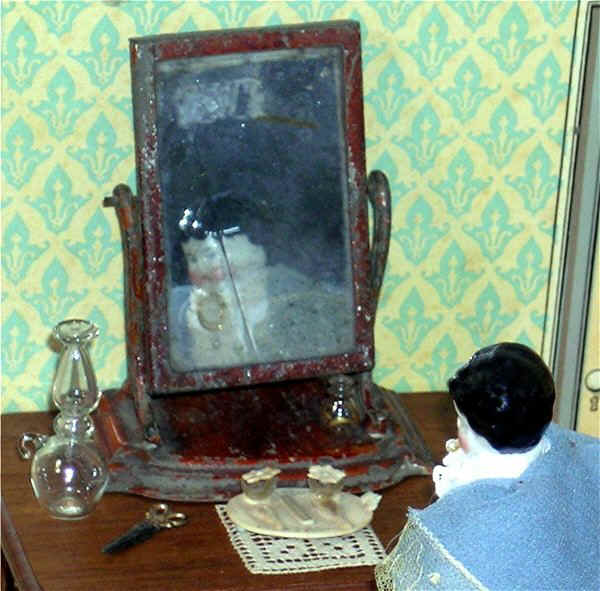
false-grained over tin; 3¾" high; signed on bottom but difficult to read
PLEASE CLICK HERE TO CONTINUE TO THE NEXT SECTION OF THE GALLERY OF IMAGES (everything else! such as sewing, accessories….)
top of page home page history of dollhouses dolls for dollhouses 1 lights for dollhouses references on dollhouses & miniatures GALLERY of IMAGES 1 GALLERY OF IMAGES 2 GALLERY OF IMAGES 3 GALLERY OF IMAGES 4 GALLERY OF IMAGES 5 GALLERY OF IMAGES_7 GALLERY_OF_IMAGES_8 INDEX of GALLERY
|